NARCOTRÁFICO

La sentencia del mayor decomiso de cocaína en la historia de Pontevedra ya ha sido emitida.

Redaccion
La sentencia del mayor decomiso de cocaína en la historia de Pontevedra ya ha sido emitida.
Idioma

La sentencia del mayor decomiso de cocaína en la historia de Pontevedra ya ha sido emitida.

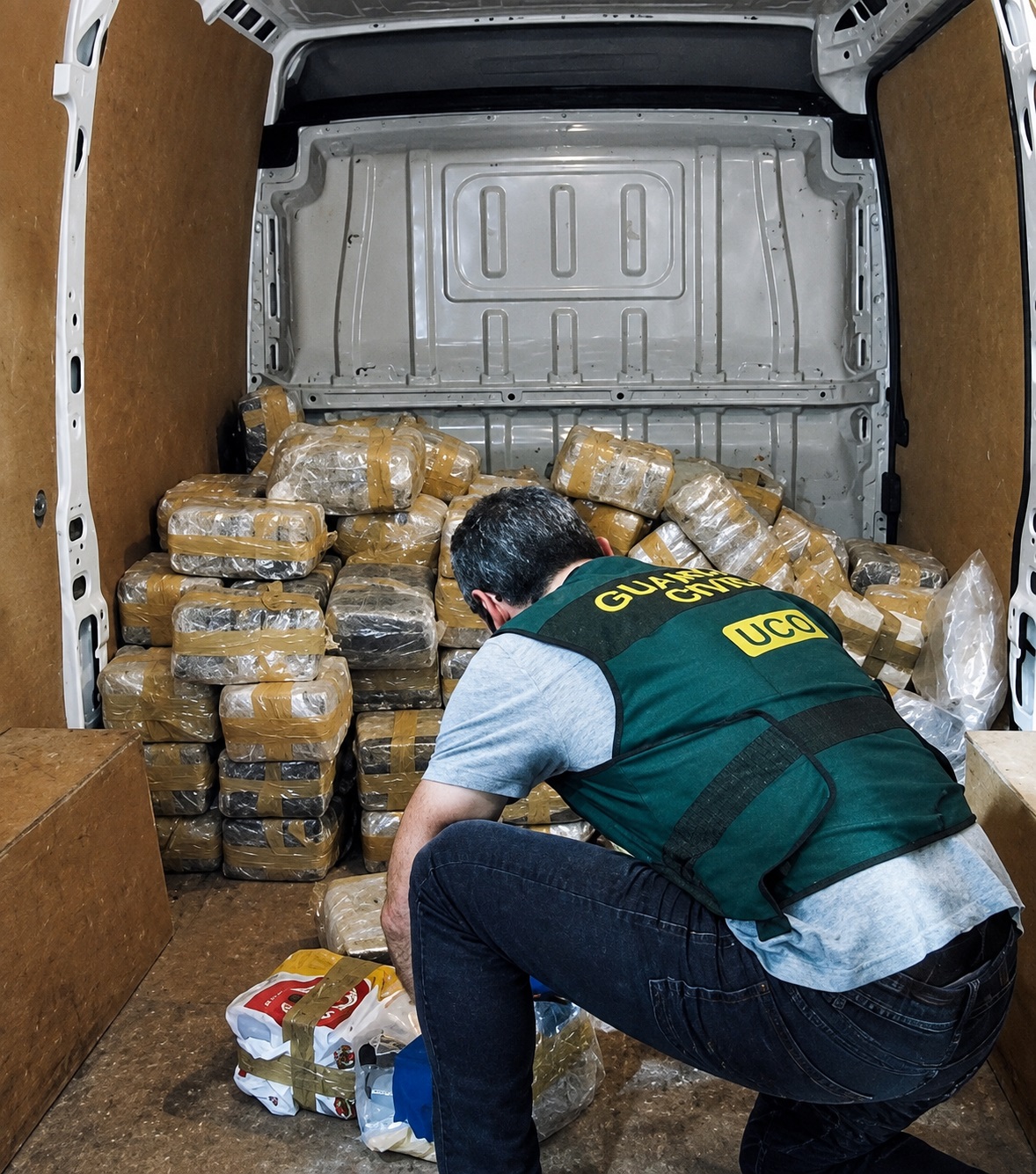
El 4 de agosto de 2017, Víctor Méndez, quien actualmente se desempeña como director de medios especializados, informó en exclusiva en el Diario de Pontevedra sobre una operación policial sin precedentes en el municipio de la ciudad gallega: la incautación de un alijo de 750 kilos de cocaína. La droga fue detectada en una furgoneta de alquiler que era conducida por un ciudadano colombiano en el peaje de la AP-9, al norte de la localidad, específicamente a la altura de la parroquia de Campañó.

Un segundo vehículo que funcionaba como lanzadera, cuya misión era verificar la presencia de controles de las fuerzas de seguridad en la ruta, y en el que viajaban dos residentes de Vigo, logró escapar, siendo más tarde interceptado mientras huía hacia Madrid, en su trayecto por la provincia de Ourense.

Este alijo se convirtió en el eje central de una extensa investigación llevada a cabo por el Equipo Contra el Crimen Organizado (ECO) de la Unidad Central Operativa de la Guardia Civil, que estaba siguiendo las pistas de hasta cuatro organizaciones criminales diferentes que operaban de manera conjunta.

Tres de estas organizaciones fueron desarticuladas y recientemente han sido condenadas, aunque las penas impuestas son relativamente bajas, beneficiándose del colapso de la Audiencia Nacional, que ha provocado que hechos ocurridos en 2017 requieran nueve años para su sentencia. La cuarta organización, una red gallega dedicada a la introducción de la droga en el territorio "mediante técnicas novedosas", según se informó en su momento, no pudo ser identificada.

La Audiencia Nacional ha emitido recientemente una sentencia que condena a 31 de las 40 personas que fueron detenidas en aquella histórica operación. Todos los acusados se beneficiaron de la circunstancia atenuante de dilaciones indebidas como muy cualificada, lo que les permitió reducir sus penas en un grado. Las defensas de los acusados intentaron que esta reducción alcanzara dos grados, algo que el tribunal no aceptó por dos razones: en primer lugar, la magnitud del alijo confiscado en Pontevedra; en segundo lugar, la envergadura de la red criminal desmantelada, que tenía un impacto no solo en varias provincias sino también en varios países.

La investigación se inició a partir de información cruzada proporcionada por el Cuerpo Nacional de Policía, el Servicio de Vigilancia Aduanera y la Administración para el Control de Drogas (DEA, por su sigla en inglés), que incluyó la incautación de alijos cuya responsabilidad se intentaba averiguar, teniendo un denominador común: la droga provenía de Venezuela.

Respecto a los puntos de llegada, existían sospechas sobre Galicia, pero nadie lograba desenmascarar al grupo de lancheros que introducía la cocaína en el territorio. Así, las indagaciones se extendieron a otras provincias españolas, como Cádiz, Valencia o Bizkaia, y a otros países como Alemania, Italia y Marruecos, que actuaba como canal para la 'repatriación' de los beneficios hacia Venezuela.

Con el avance de las investigaciones, que se realizaban en paralelo por blanqueo de capitales y tráfico de drogas, los agentes descubrieron que la organización criminal contaba con dos almacenes donde supuestamente se almacenaba la cocaína que llegaba a Galicia, ubicados en Vedra y A Estrada. Los agentes tenían ambos lugares bajo vigilancia en agosto de 2017.

Mientras tanto, en la otra punta de España, en la provincia de Girona, tuvo lugar una acción crucial: la interceptación de aproximadamente 100 kilos de cocaína en un vehículo de la organización que se dirigía al Reino Unido. Esta caída de droga aceleró los movimientos en el almacén principal, ubicado en Galicia.
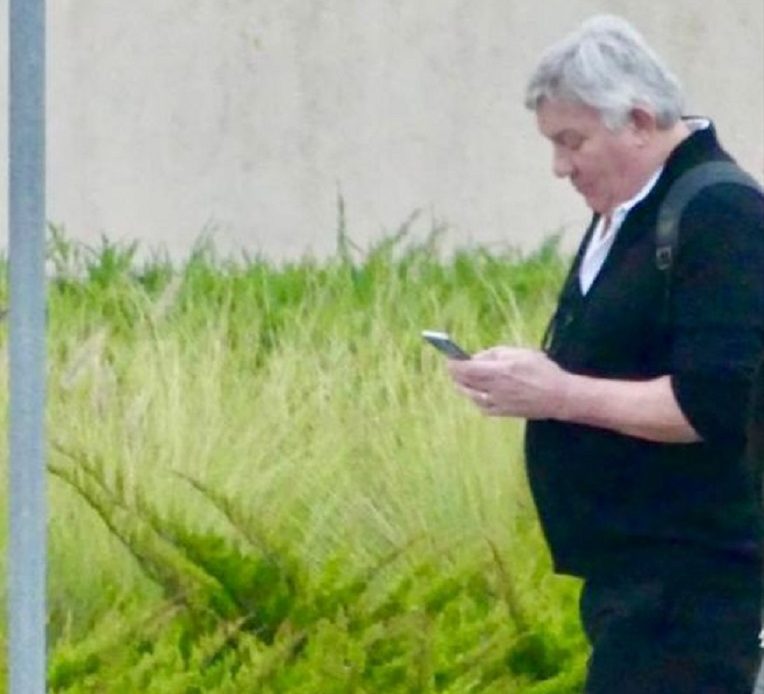
La UCO eligió su momento y seleccionó el lugar ideal para interceptar la furgoneta de alquiler que, según sus sospechas, transportaba un gran cargamento hacia Madrid. El punto de intervención fue el peaje de la AP-9 en Campañó, a escasos metros de la Comandancia de la Guardia Civil de Pontevedra, donde se encontraba el equipo de la UCO destacado en la Comunidad Autónoma.

En lo que respecta al contenido de la sentencia, se repite una situación común. El líder de la red criminal, que residía en Venezuela, no pudo ser identificado, al igual que los gallegos que recibían la droga por vía marítima.

De los tres pontevedreses mencionados en el fallo, un residente de Vilagarcía condenado por blanqueo recibió una pena de un año y medio de prisión, mientras que la pareja de vigueses que iba en el coche lanzadera fue condenada a seis años y medio cada uno. Todos ellos, como se ha mencionado, se beneficiaron de las dilaciones derivadas del colapso judicial. El colombiano que conducía la furgoneta con el alijo principal, por su parte, fue condenado a ocho años de cárcel.
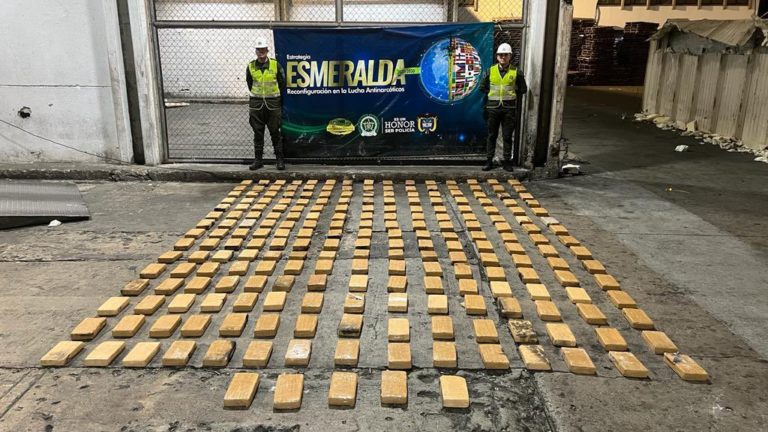
En total, las penas impuestas a todos los acusados suman alrededor de 100 años de prisión, un número que puede considerarse bajo en relación con la cantidad de condenados (31) y los delitos que han quedado demostrados. En lo que respecta a las ramificaciones del grupo criminal en el resto del país, una de ellas estaba situada en Cádiz, concretamente en Chiclana. Allí se establecieron varios de los condenados que huyeron de Galicia tras el golpe en Pontevedra. Provenientes de Madrid, fueron finalmente detenidos en el sur, juzgados y condenados.

Otro de los puntos críticos se encontraba en el País Vasco, donde la red también estaba presente de manera estable, así como en Melilla, donde se hallaba el núcleo del blanqueo de capitales.

Sin embargo, la clave se obtuvo al rastrear a un individuo residente en Rivas Vaciamadrid, quien había creado una empresa legal dedicada a la compraventa de muebles de madera como tapadera, lo que le permitía enviar dinero de forma legal a Sudamérica en contenedores legítimos. Fue detectado en un viaje a Venezuela.
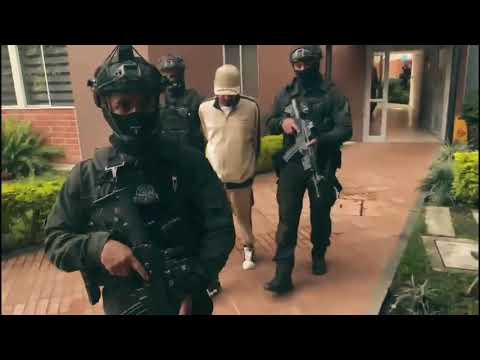
Los agentes lograron interceptar ocho millones de euros en billetes de 200 y 500 euros que estaban destinados a partir hacia Venezuela desde el puerto de Valencia en uno de esos envíos.

En lo que respecta al blanqueo, aunque Melilla resultó ser un punto crucial, el líder de la estructura encargada de lavar los beneficios fue arrestado en Frankfurt (Alemania), lo que pone de manifiesto la gran movilidad de la organización criminal objeto de investigación.

Entre los detenidos en su momento, se encontraban 34 hombres y seis mujeres, incluyendo ciudadanos marroquíes, colombianos, venezolanos, británicos y españoles. La sentencia no es firme y podrá ser recurrida en casación ante el Tribunal Supremo.

The sentence regarding the largest cocaine seizure in the history of Pontevedra has already been issued.

On August 4, 2017, Víctor Méndez, who currently serves as director of specialized media, reported exclusively in the Diario de Pontevedra about an unprecedented police operation in the municipality of the Galician city: the seizure of a stash of 750 kilograms of cocaine. The drug was detected in a rental van driven by a Colombian citizen at the toll booth of the AP-9, north of the town, specifically at the height of the parish of Campañó.

A second vehicle acting as a shuttle, whose mission was to verify the presence of security force checkpoints along the route, and in which two residents of Vigo were traveling, managed to escape, later being intercepted while fleeing towards Madrid, on its route through the province of Ourense.

This stash became the central focus of an extensive investigation carried out by the Organized Crime Team (ECO) of the Central Operational Unit of the Civil Guard, which was tracking leads from up to four different criminal organizations operating together.

Three of these organizations were dismantled and have recently been convicted, although the imposed sentences are relatively low, benefiting from the collapse of the National Court, which has caused events that occurred in 2017 to require nine years for sentencing. The fourth organization, a Galician network dedicated to introducing drugs into the territory "using novel techniques," as reported at the time, could not be identified.

The National Court has recently issued a ruling convicting 31 of the 40 individuals who were arrested in that historic operation. All the defendants benefited from the mitigating circumstance of undue delays as highly qualified, which allowed them to reduce their sentences by one degree. The defendants' lawyers attempted to have this reduction reach two degrees, something the court did not accept for two reasons: first, the magnitude of the stash confiscated in Pontevedra; second, the scale of the dismantled criminal network, which had an impact not only in several provinces but also in several countries.

The investigation began based on cross-referenced information provided by the National Police Corps, the Customs Surveillance Service, and the Drug Enforcement Administration (DEA), which included the seizure of stashes whose responsibility was being investigated, having a common denominator: the drugs originated from Venezuela.

Regarding the points of arrival, there were suspicions about Galicia, but no one managed to unmask the group of boatmen introducing cocaine into the territory. Thus, inquiries extended to other Spanish provinces, such as Cádiz, Valencia, or Bizkaia, and to other countries like Germany, Italy, and Morocco, which acted as a channel for the 'repatriation' of profits to Venezuela.

As the investigations progressed, which were conducted in parallel for money laundering and drug trafficking, agents discovered that the criminal organization had two warehouses where cocaine allegedly arriving in Galicia was stored, located in Vedra and A Estrada. Agents had both locations under surveillance in August 2017.

Meanwhile, at the other end of Spain, in the province of Girona, a crucial action took place: the interception of approximately 100 kilograms of cocaine in a vehicle belonging to the organization that was heading to the United Kingdom. This drug seizure accelerated movements in the main warehouse located in Galicia.

The UCO chose its moment and selected the ideal location to intercept the rental van that, according to their suspicions, was transporting a large shipment to Madrid. The intervention point was the toll booth of the AP-9 in Campañó, just a few meters from the Civil Guard Command in Pontevedra, where the UCO team was stationed in the Autonomous Community.

Regarding the content of the ruling, a common situation is repeated. The leader of the criminal network, who resided in Venezuela, could not be identified, just like the Galicians who received the drugs by sea.

Of the three individuals from Pontevedra mentioned in the ruling, a resident of Vilagarcía convicted of money laundering received a sentence of one and a half years in prison, while the couple from Vigo who were in the shuttle car were each sentenced to six and a half years. All of them, as mentioned, benefited from the delays resulting from the judicial collapse. The Colombian driving the van with the main stash, for his part, was sentenced to eight years in prison.

In total, the sentences imposed on all the accused amount to around 100 years in prison, a number that can be considered low in relation to the number of those convicted (31) and the crimes that have been proven. Regarding the ramifications of the criminal group throughout the country, one of them was located in Cádiz, specifically in Chiclana. Several of the convicted individuals who fled Galicia after the raid in Pontevedra established themselves there. Coming from Madrid, they were eventually arrested in the south, tried, and convicted.

Another critical point was in the Basque Country, where the network was also present in a stable manner, as well as in Melilla, where the core of the money laundering operation was located.

However, the key was obtained by tracking an individual residing in Rivas Vaciamadrid, who had created a legitimate company dedicated to the buying and selling of wooden furniture as a cover, allowing him to send money legally to South America in legitimate containers. He was detected on a trip to Venezuela.

Agents managed to intercept eight million euros in 200 and 500 euro bills that were destined to depart for Venezuela from the port of Valencia in one of those shipments.

Regarding the money laundering, although Melilla turned out to be a crucial point, the leader of the structure responsible for laundering the profits was arrested in Frankfurt (Germany), highlighting the great mobility of the criminal organization under investigation.

Among those arrested at the time were 34 men and six women, including Moroccan, Colombian, Venezuelan, British, and Spanish citizens. The sentence is not final and can be appealed to the Supreme Court.

La sentencia del mayor decomiso de cocaína en la historia de Pontevedra ya ha sido emitida. | NarcoObservatorio