◢ NARCOTRÁFICO ◣

Impresionante operación antidrogas en Navarra

✎Redaccion
Impresionante operación antidrogas en Navarra
Idioma

Impresionante operación antidrogas en Navarra

La Guardia Civil y la Policía Foral han desmantelado en Navarra una nueva red delictiva dedicada a la producción, adulteración, almacenamiento y distribución de drogas sintéticas, principalmente speed, en una operación que sigue a la realizada hace poco en fuentes judiciales, muy cerca de esa ubicación, específicamente en Barakaldo.

Esta operación, denominada Malandrona-Nautilus, se ha llevado a cabo en diez etapas, durante las cuales se han realizado 19 registros, resultando en la detención de 20 individuos. De estos, diez han sido encarcelados.

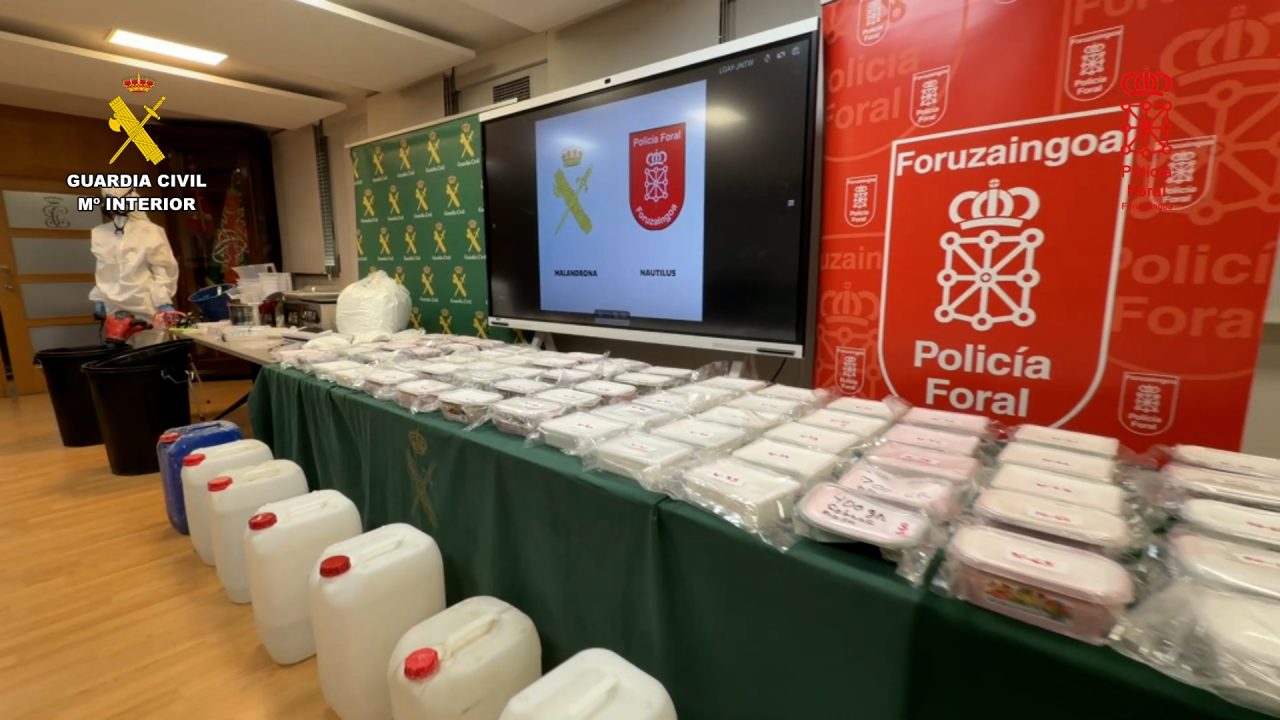
Asimismo, se ha confiscado anfetamina líquida, junto con diversos precursores y sustancias utilizadas en la producción y adulteración de drogas, tales como metanol, ácido sulfúrico y cafeína. Además de las mencionadas sustancias estupefacientes, los agentes han incautado dinero en efectivo, cinco automóviles y dos armas.
La pesquisa se inició en octubre de 2025, a partir de diversas informaciones obtenidas en operaciones anteriores que, tras un análisis conjunto, permitieron identificar la posible existencia de una organización delictiva establecida fundamentalmente en Navarra y dedicada al tráfico de sustancias ilícitas.

Las primeras acciones se llevaron a cabo en Tudela (Navarra), donde residía uno de los individuos considerados como principales responsables de la organización. El progreso de la investigación facilitó establecer vínculos entre diferentes miembros y conocer gradualmente la estructura y funcionamiento del entramado delictivo.

La operación se ha desarrollado de manera progresiva en diez fases, en las que los investigadores de la Guardia Civil y la Policía Foral han ido procediendo contra diferentes miembros y puntos de operación de la organización. Las acciones se han extendido por Navarra y Guipúzcoa, con registros en distintas localidades de ambas provincias.
Este avance ha permitido identificar inmuebles utilizados para el almacenamiento, preparación y adulteración de sustancias estupefacientes, hasta llegar al lugar destinado a la producción de drogas sintéticas.

Tanto en Noáin como en Urnieta (Guipúzcoa), se localizaron puntos destinados a la adulteración de drogas, donde se confiscó diverso material destinado a llevar a cabo este proceso, así como cafeína, sustancias estupefacientes y bidones que contenían residuos de anfetamina líquida.

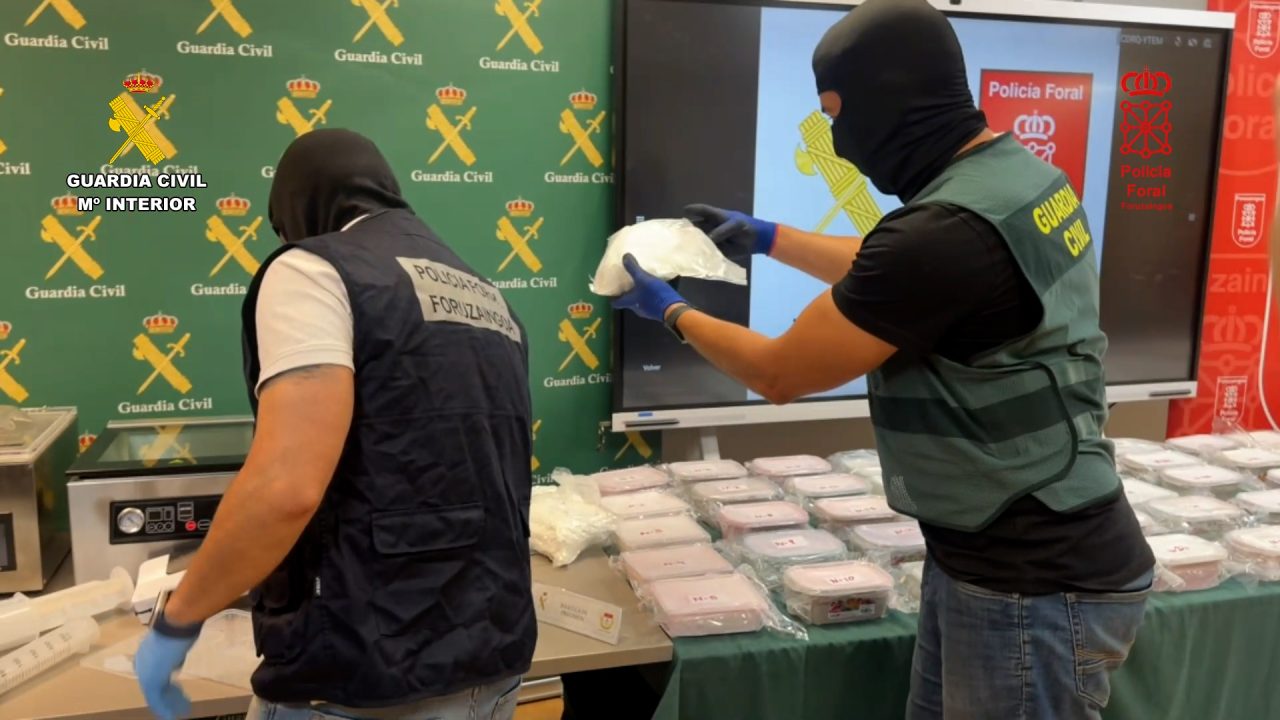
De igual manera, en Ribaforada (Navarra), los investigadores encontraron varios puntos utilizados para el almacenamiento de drogas. En los registros realizados se incautaron 46 kilogramos de speed, listos para su posterior distribución.
El análisis de las diversas actuaciones permitió a los investigadores seguir avanzando hasta localizar el lugar donde se estaba llevando a cabo la producción de grandes cantidades de drogas sintéticas.

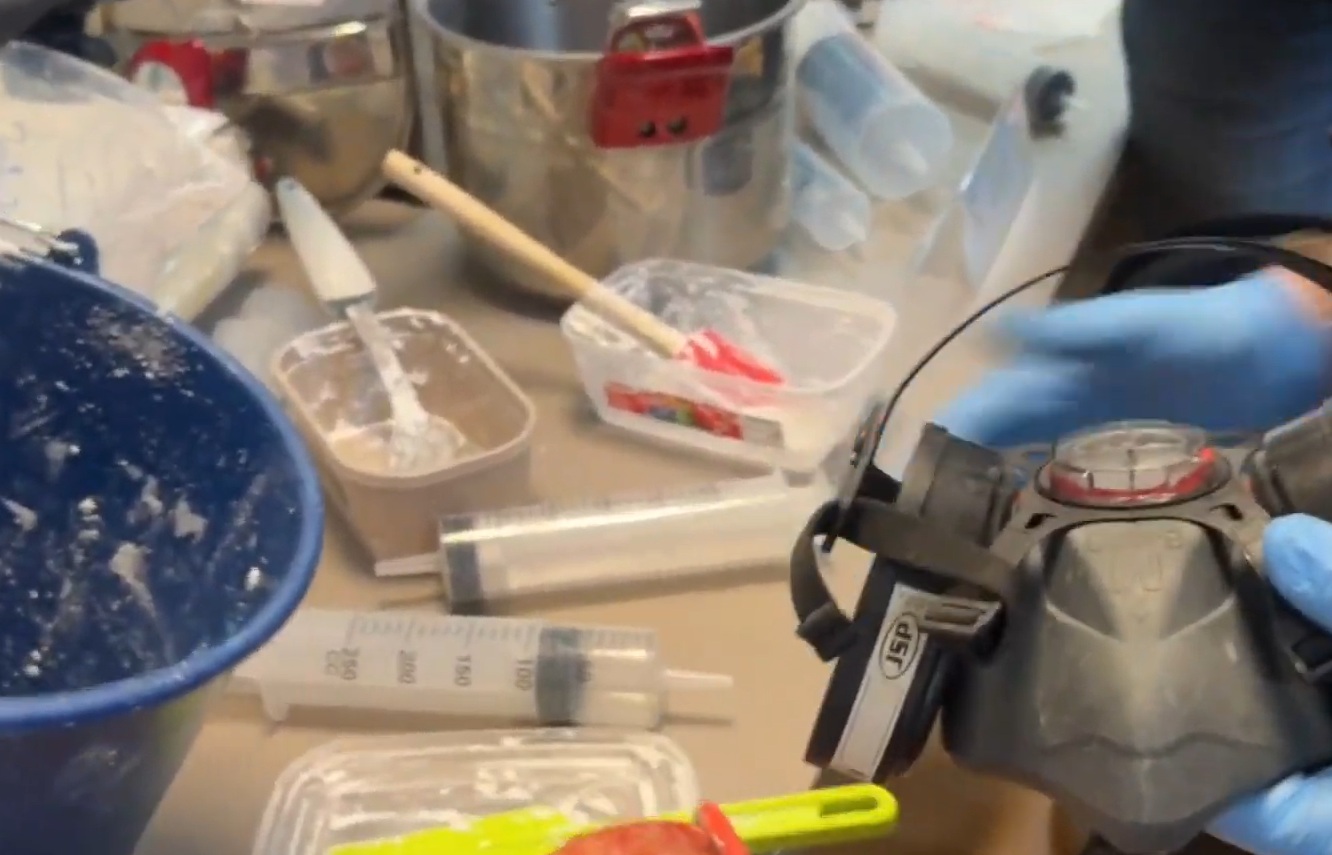
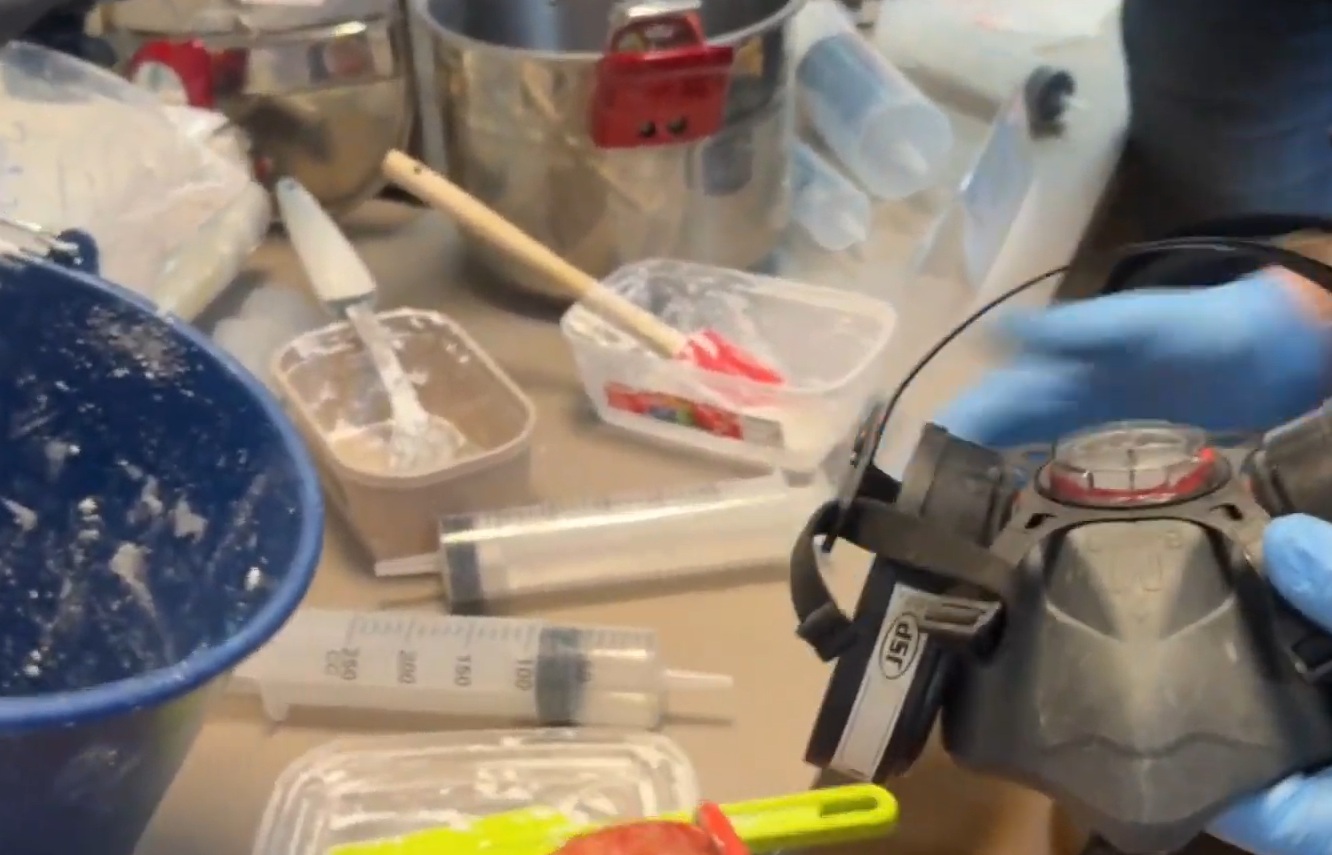
La investigación condujo a la identificación en Rada (Navarra) de una vivienda que funcionaba como laboratorio para la fabricación de drogas sintéticas, equipada con distintos espacios, así como con equipos y materiales necesarios para las diversas fases del proceso de elaboración.

Los investigadores concluyeron que existía una distribución de funciones entre las personas vinculadas a la producción. Los encargados del laboratorio preparaban de antemano todo el material necesario para la producción, incluyendo recipientes, bolsas de envasado, batidoras, elementos de medición y los productos proporcionados por la propia organización, como la anfetamina líquida y los precursores para la fabricación de la droga.
Una vez que todo el material estaba dispuesto, un químico, en el caso del laboratorio de Rada de origen neerlandés, era trasladado hasta el laboratorio para llevar a cabo exclusivamente el proceso de producción. Según lo analizado y observado durante la investigación, su permanencia en el laboratorio se limitaba al tiempo imprescindible para completar la producción.

Cuando se logró determinar el momento en que se estaba realizando una nueva producción, la Policía Foral y la Guardia Civil establecieron un dispositivo que permitió desmantelar el laboratorio y detener a cinco individuos relacionados con esta fase de la operación.

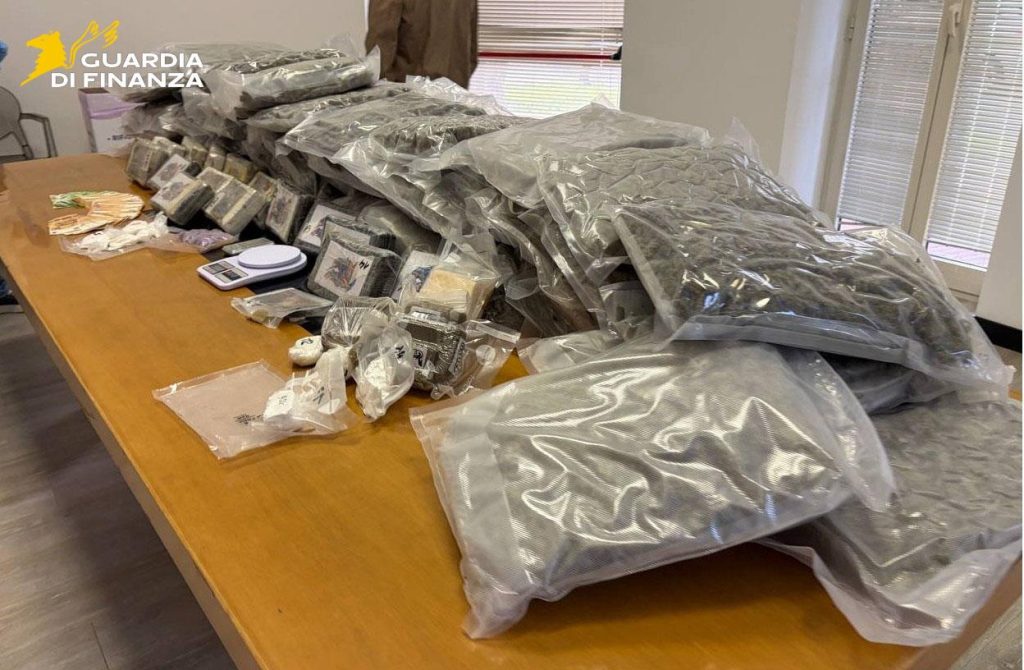
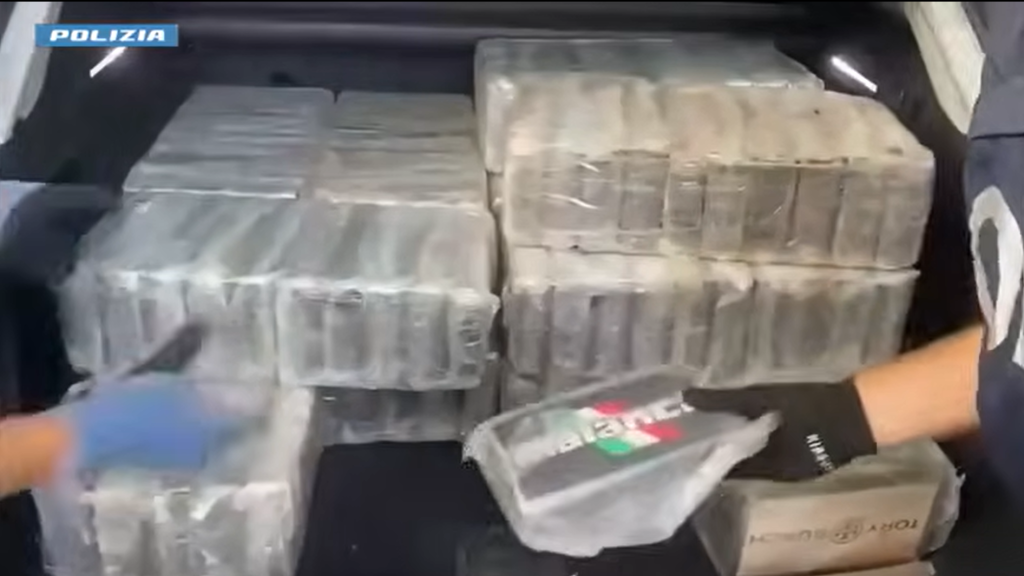
En esta fase, la número IX, tras el registro domiciliario se confiscaron 103 kilogramos de speed y 9,8 litros de anfetamina líquida, además de 75 litros de metanol, 24 kilogramos de cafeína y 20 litros de ácido sulfúrico, junto a envasadoras, termo selladoras, básculas, recipientes, batidoras industriales y otros elementos utilizados en la elaboración y preparación de la sustancia.
Una vez puestas a disposición judicial, el químico y las dos personas que realizaban las tareas auxiliares y que residían en el propio laboratorio fueron encarceladas de forma provisional. Esta actuación ha permitido desmantelar, según los datos de la investigación, el mayor laboratorio clandestino de drogas sintéticas encontrado hasta la fecha en Navarra. En este lugar, se producía bajo demanda, con cantidades que variaban de 50 a 400 kilos de speed por lote de producción, pudiendo realizar la síntesis en cualquier momento.

Los arrestados, además, manejaban todo tipo de sustancias estupefacientes, con el objetivo de abastecer a consumidores del norte del país, especialmente en Navarra, el País Vasco y Cantabria.

Impressive anti-drug operation in Navarra

The Civil Guard and the Foral Police have dismantled a new criminal network in Navarra dedicated to the production, adulteration, storage, and distribution of synthetic drugs, primarily speed, in an operation that follows a recent one reported by judicial sources, very close to that location, specifically in Barakaldo.

This operation, named Malandrona-Nautilus, has been carried out in ten stages, during which 19 searches were conducted, resulting in the arrest of 20 individuals. Of these, ten have been imprisoned.

Additionally, liquid amphetamine has been confiscated, along with various precursors and substances used in the production and adulteration of drugs, such as methanol, sulfuric acid, and caffeine. Besides the aforementioned narcotic substances, agents have seized cash, five vehicles, and two firearms.

The investigation began in October 2025, based on various pieces of information obtained from previous operations that, after a joint analysis, allowed for the identification of the possible existence of a criminal organization primarily established in Navarra and dedicated to the trafficking of illicit substances.

The initial actions were carried out in Tudela (Navarra), where one of the individuals considered to be the main responsible parties for the organization resided. The progress of the investigation facilitated the establishment of links between different members and gradually revealed the structure and functioning of the criminal network.

The operation has developed progressively in ten phases, during which investigators from the Civil Guard and the Foral Police have proceeded against different members and operational points of the organization. The actions have extended across Navarra and Guipúzcoa, with searches in various locations in both provinces.

This advancement has allowed for the identification of properties used for the storage, preparation, and adulteration of narcotic substances, culminating in the location designated for the production of synthetic drugs.

In both Noáin and Urnieta (Guipúzcoa), points intended for the adulteration of drugs were located, where various materials intended to carry out this process were confiscated, as well as caffeine, narcotic substances, and containers that contained residues of liquid amphetamine.

Similarly, in Ribaforada (Navarra), investigators found several points used for drug storage. During the searches conducted, 46 kilograms of speed, ready for subsequent distribution, were seized.

The analysis of the various actions allowed investigators to continue advancing until they located the place where large quantities of synthetic drugs were being produced.

The investigation led to the identification in Rada (Navarra) of a residence that functioned as a laboratory for the manufacture of synthetic drugs, equipped with different spaces, as well as with the necessary equipment and materials for the various phases of the production process.

Investigators concluded that there was a distribution of functions among the individuals linked to the production. Those in charge of the laboratory prepared all the necessary materials for production in advance, including containers, packaging bags, mixers, measuring instruments, and the products provided by the organization itself, such as liquid amphetamine and precursors for drug manufacturing.

Once all the material was ready, a chemist, in the case of the laboratory in Rada of Dutch origin, was transported to the laboratory to carry out exclusively the production process. According to the analysis and observations made during the investigation, their stay in the laboratory was limited to the time necessary to complete the production.

When it was determined that a new production was taking place, the Foral Police and the Civil Guard established a device that allowed them to dismantle the laboratory and arrest five individuals related to this phase of the operation.

In this phase, number IX, following the home search, 103 kilograms of speed and 9.8 liters of liquid amphetamine were confiscated, along with 75 liters of methanol, 24 kilograms of caffeine, and 20 liters of sulfuric acid, along with packaging machines, heat sealers, scales, containers, industrial mixers, and other elements used in the preparation and production of the substance.

Once brought before the judiciary, the chemist and the two individuals performing auxiliary tasks who resided in the laboratory were provisionally imprisoned. This action has allowed for the dismantling, according to the data from the investigation, of the largest clandestine synthetic drug laboratory found to date in Navarra. In this place, production was carried out on demand, with quantities varying from 50 to 400 kilos of speed per production batch, being able to perform the synthesis at any time.

The arrested individuals also handled all types of narcotic substances, aiming to supply consumers in the northern part of the country, especially in Navarra, the Basque Country, and Cantabria.

Impresionante operación antidrogas en Navarra | NarcoObservatorio