◢ NARCOTRÁFICO ◣

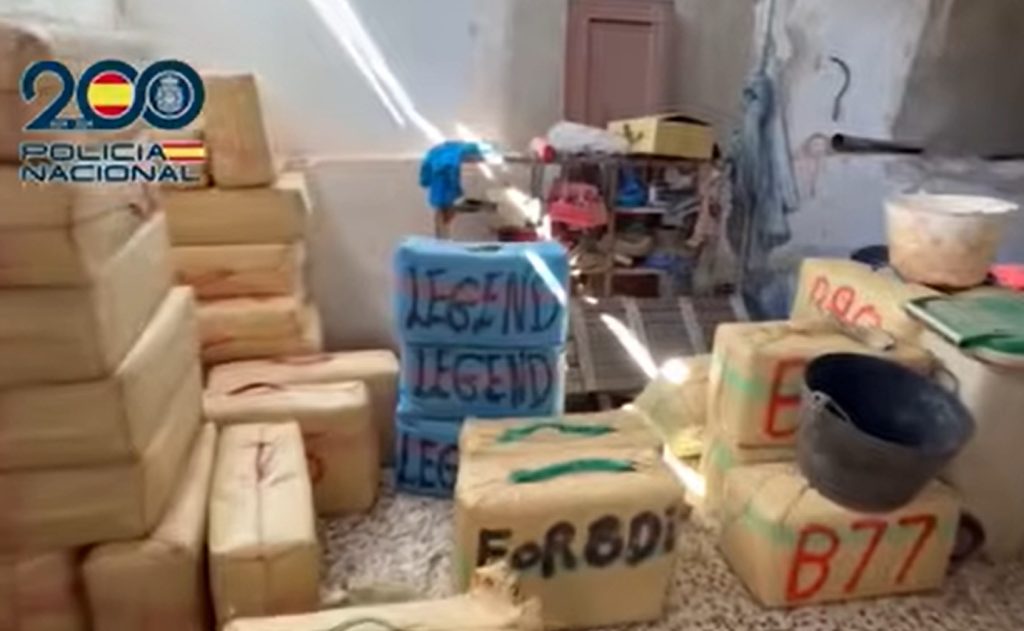
Una finca deshabitada se convirtió en un importante centro de almacenamiento de hachís en Ayamonte.

✎Redaccion
Una finca deshabitada se convirtió en un importante centro de almacenamiento de hachís en Ayamonte.
Idioma

Una finca deshabitada se convirtió en un importante centro de almacenamiento de hachís en Ayamonte.

La actividad delictiva en la zona de Huelva relacionada con el narcotráfico ha experimentado un aumento significativo en tiempos recientes, como bien conocen los lectores de fuentes judiciales.

Los informes sobre este fenómeno delictivo han resaltado cómo ciertas propiedades, que aparentan ser simples granjas, han sido en realidad utilizadas como centros de producción y distribución de sustancias ilegales, particularmente hachís.

En el caso específico de Ayamonte, se ha descubierto una instalación que, a pesar de no albergar animales, estaba destinada a la producción de esta droga. Los investigadores han señalado que este tipo de operaciones clandestinas se están convirtiendo en un patrón recurrente en la región.
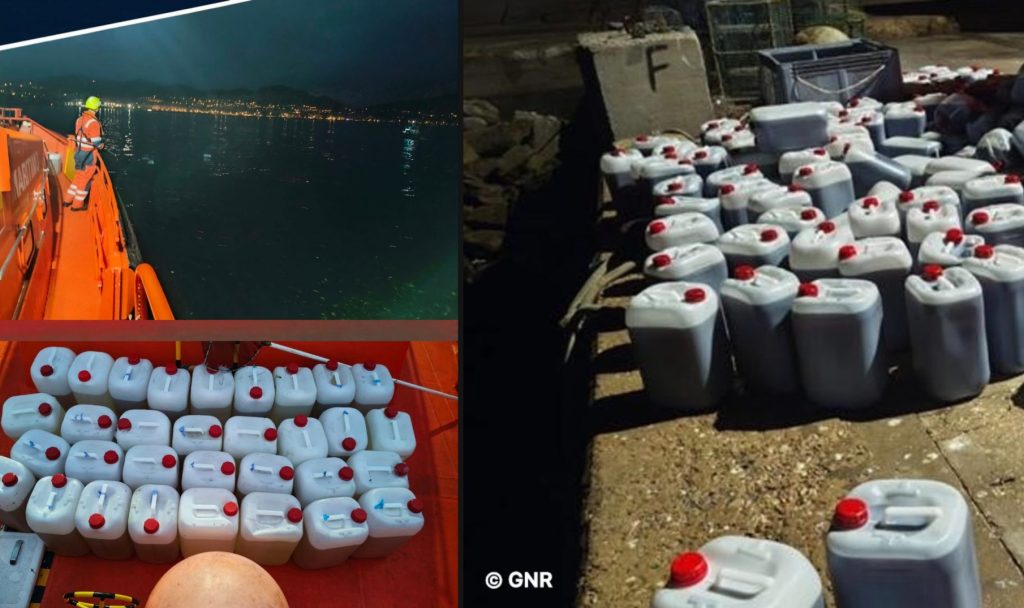
Las fuerzas de seguridad han intensificado sus esfuerzos para desmantelar estas organizaciones criminales, llevando a cabo una serie de redadas que han resultado en la confiscación de grandes cantidades de hachís y la detención de numerosos individuos implicados en el tráfico de estas sustancias.

De acuerdo con las estadísticas recientes, el volumen de hachís incautado en Huelva ha aumentado considerablemente en comparación con años anteriores, lo que evidencia la creciente actividad de grupos dedicados al narcotráfico en esta área.

Las autoridades locales han manifestado su preocupación ante este incremento, destacando la necesidad de implementar medidas más efectivas para combatir el narcotráfico y proteger a la comunidad de los efectos adversos asociados a estas actividades ilícitas.

Además, se ha observado que muchos de los operativos realizados han sido el resultado de la colaboración entre diferentes cuerpos de seguridad, lo que ha permitido obtener información crucial para llevar a cabo estas operaciones de forma más eficiente.

Por otro lado, los agentes han indicado que la utilización de propiedades agrícolas para el cultivo y la producción de hachís no es un hecho aislado, sino que se está convirtiendo en una estrategia común entre los narcotraficantes, quienes buscan camuflar sus actividades bajo la fachada de negocios legítimos.

En este contexto, la comunidad ha comenzado a tomar conciencia sobre la magnitud del problema, promoviendo iniciativas de prevención y concienciación para combatir el narcotráfico y sus consecuencias en el entorno social y económico de la región.

Finalmente, el caso de la granja sin animales en Ayamonte es solo un ejemplo de la complejidad del fenómeno del narcotráfico en Huelva, donde la lucha contra estas organizaciones se mantiene como una de las principales prioridades para las autoridades competentes.

An uninhabited farm became an important storage center for hashish in Ayamonte.

Criminal activity in the Huelva area related to drug trafficking has experienced a significant increase in recent times, as readers of judicial sources are well aware.

Reports on this criminal phenomenon have highlighted how certain properties, which appear to be simple farms, have actually been used as centers for the production and distribution of illegal substances, particularly hashish.

In the specific case of Ayamonte, a facility has been discovered that, despite not housing animals, was intended for the production of this drug. Investigators have noted that this type of clandestine operation is becoming a recurring pattern in the region.

Security forces have intensified their efforts to dismantle these criminal organizations, carrying out a series of raids that have resulted in the confiscation of large quantities of hashish and the arrest of numerous individuals involved in the trafficking of these substances.

According to recent statistics, the volume of hashish seized in Huelva has increased considerably compared to previous years, evidencing the growing activity of groups dedicated to drug trafficking in this area.

Local authorities have expressed their concern over this increase, highlighting the need to implement more effective measures to combat drug trafficking and protect the community from the adverse effects associated with these illegal activities.

Furthermore, it has been observed that many of the operations carried out have been the result of collaboration between different security bodies, which has allowed for the gathering of crucial information to conduct these operations more efficiently.

On the other hand, agents have indicated that the use of agricultural properties for the cultivation and production of hashish is not an isolated fact, but is becoming a common strategy among drug traffickers, who seek to camouflage their activities under the guise of legitimate businesses.

In this context, the community has begun to raise awareness about the magnitude of the problem, promoting prevention and awareness initiatives to combat drug trafficking and its consequences on the social and economic environment of the region.

Finally, the case of the farm without animals in Ayamonte is just one example of the complexity of the drug trafficking phenomenon in Huelva, where the fight against these organizations remains one of the main priorities for the competent authorities.

Una finca deshabitada se convirtió en un importante centro de almacenamiento de hachís en Ayamonte. | NarcoObservatorio