
◢ NARCOTRÁFICO ◣

La desaparición de 500 kilos de cocaína activa a sicarios en España y los Países Bajos

✎Redaccion
La desaparición de 500 kilos de cocaína activa a sicarios en España y los Países Bajos
Idioma

La desaparición de 500 kilos de cocaína activa a sicarios en España y los Países Bajos

Recientemente, Países Bajos se convirtió en el centro de atención mediática tras la aparición de un grupo de sicarios que irrumpió en una vivienda con el objetivo de ajustar cuentas con un supuesto narcotraficante que había reportado la pérdida de una considerable cantidad de cocaína, parte de la cual había sido confiscada en España. Estas mismas personas compartieron un vídeo amenazante en el que especificaban las cantidades de droga involucradas.

Las autoridades lograron capturar a gran parte de la organización delictiva y, semanas más tarde, también detuvieron al objetivo de los narcotraficantes, quien se encontraba en Alemania. En la actualidad, las autoridades están investigando un caso similar, pero con un desenlace más trágico para la víctima, que fue secuestrada y sometida a torturas debido a la supuesta pérdida de 500 kilos de la misma droga, también en España, y que finalmente fue raptada en Amberes. Afortunadamente, logró escapar y tiene la oportunidad de contar su historia.

Se han arrestado a diez individuos, de los cuales siete fueron detenidos en Países Bajos y tres en España, por los delitos de pertenencia a organización criminal y secuestro, ingresando en prisión la mayoría de ellos. La investigación sigue abierta y no se descartan más detenciones en el futuro.

La investigación se inició, como es habitual en estos casos, tras una denuncia presentada por los familiares de una víctima de secuestro que tuvo lugar el 15 de febrero en Amberes, Bélgica. Los familiares informaron que habían recibido llamadas y vídeos a través de plataformas encriptadas de su ser querido, quien intentaba tranquilizarlos asegurando que pronto estarían juntos una vez que terminara de resolver unas gestiones.

Tras realizar diversas pesquisas, se descubrió que esta persona había sido secuestrada porque supuestamente era responsable de una pérdida de 500 kilos de cocaína que transportaba en una furgoneta desde España hacia Países Bajos, y los captores solicitaban un rescate de 600.000 euros por su liberación.

El secuestro ocurrió el 15 de febrero, cuando la víctima paseaba por una calle de Amberes, donde fue conducida a un local industrial que la organización criminal utilizaba como sede de una empresa de alquiler de trasteros. Cada uno de estos trasteros estaba custodiado por un individuo armado y se utilizaban para mantener a los secuestrados en su interior.

Una vez dentro, la víctima fue sometida a brutales torturas y agresiones físicas. Durante su cautiverio, también fue testigo de cómo a otra víctima, que no conocía, le amputaron tres falanges de una mano, así como del estado de extrema inconsciencia de otra persona.

Tras varios días en la nave, la víctima fue trasladada a un apartamento del entramado criminal en Países Bajos, donde estuvo en contacto con otra persona secuestrada y continuaron las agresiones físicas. Los miembros de la organización decidieron llevarle de regreso a Bélgica en un vehículo. Temiendo por su vida, durante el trayecto logró saltar del coche en movimiento, cayendo por un barranco y alcanzando una gasolinera donde pidió ayuda.

Estos eventos revelan que esta organización contaba con una estructura profesional robusta, ofreciendo servicios de secuestro por encargo a otros grupos criminales y disponiendo de inmuebles para el cautiverio en Países Bajos y Bélgica, así como de personal remunerado con diferentes funciones, que incluían torturadores, vigilantes de seguridad y conductores.
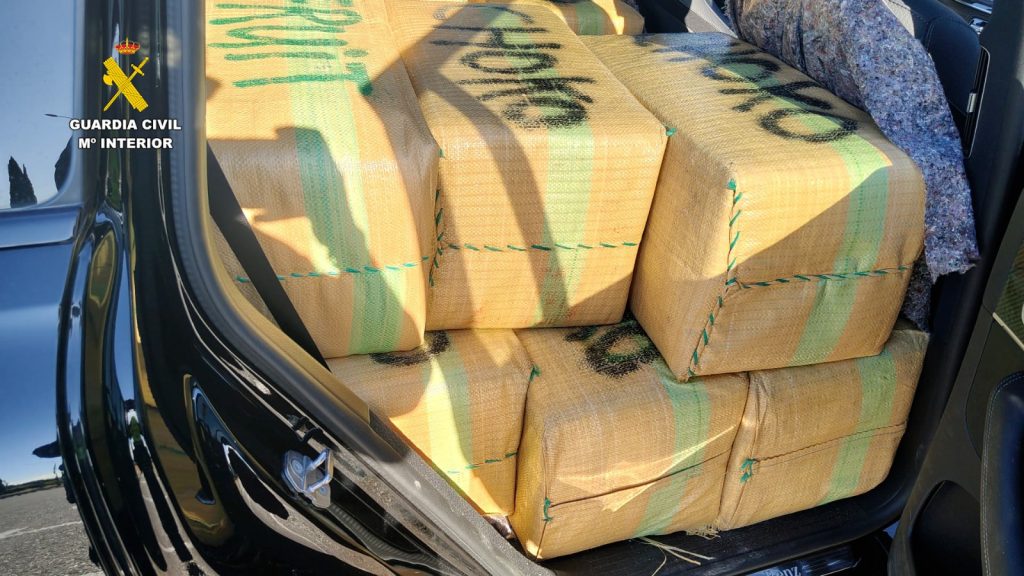
La operación se llevó a cabo en dos fases: la primera, el 24 de febrero en Países Bajos, resultó en la detención de siete personas, entre ellas el inquilino del apartamento arrendado por la organización y el propietario de los trasteros. La segunda fase tuvo lugar el 24 de septiembre en España, donde se detuvo a otras tres personas, quienes eran el líder y ideólogo de la organización, su mano derecha, y el cabecilla del entramado que se dedicaba al narcotráfico para el cual trabajaba la víctima.

A estas personas se les imputan los delitos de pertenencia a organización criminal y secuestro, y la autoridad judicial ha ordenado el ingreso en prisión de nueve de ellas. La investigación sigue en curso, ya que se han hallado restos de sangre y ADN de la víctima en los inmuebles, así como de otras personas que aún están por identificar, por lo que no se descartan más detenciones en el futuro.

The disappearance of 500 kilos of cocaine activates hitmen in Spain and the Netherlands.

Recently, the Netherlands became the center of media attention following the emergence of a group of hitmen who burst into a residence with the aim of settling scores with an alleged drug trafficker who had reported the loss of a considerable amount of cocaine, part of which had been confiscated in Spain. These same individuals shared a threatening video in which they specified the quantities of drugs involved.

Authorities managed to capture a large part of the criminal organization and, weeks later, also arrested the target of the drug traffickers, who was in Germany. Currently, authorities are investigating a similar case, but with a more tragic outcome for the victim, who was kidnapped and subjected to torture due to the alleged loss of 500 kilos of the same drug, also in Spain, and who was ultimately abducted in Antwerp. Fortunately, she managed to escape and has the opportunity to tell her story.

Ten individuals have been arrested, seven of whom were detained in the Netherlands and three in Spain, for the crimes of belonging to a criminal organization and kidnapping, with most of them being sent to prison. The investigation remains open, and further arrests are not ruled out in the future.

The investigation began, as is customary in these cases, following a report filed by the family members of a kidnapping victim that took place on February 15 in Antwerp, Belgium. The family reported that they had received calls and videos through encrypted platforms from their loved one, who was trying to reassure them by stating that they would soon be together once she finished resolving some matters.

After conducting various inquiries, it was discovered that this person had been kidnapped because she was allegedly responsible for a loss of 500 kilos of cocaine that she was transporting in a van from Spain to the Netherlands, and the captors were demanding a ransom of 600,000 euros for her release.

The kidnapping occurred on February 15, when the victim was walking down a street in Antwerp, where she was taken to an industrial site that the criminal organization used as the headquarters of a storage rental company. Each of these storage units was guarded by an armed individual and was used to hold the kidnapped individuals inside.

Once inside, the victim was subjected to brutal torture and physical assaults. During her captivity, she also witnessed how another victim, whom she did not know, had three phalanges amputated from one hand, as well as the extreme unconscious state of another person.

After several days in the warehouse, the victim was transferred to an apartment of the criminal network in the Netherlands, where she was in contact with another kidnapped person and the physical assaults continued. The members of the organization decided to take her back to Belgium in a vehicle. Fearing for her life, during the journey she managed to jump out of the moving car, falling down a ravine and reaching a gas station where she sought help.

These events reveal that this organization had a robust professional structure, offering kidnapping services on demand to other criminal groups and possessing properties for captivity in the Netherlands and Belgium, as well as paid personnel with different functions, including torturers, security guards, and drivers.

The operation was carried out in two phases: the first, on February 24 in the Netherlands, resulted in the arrest of seven people, including the tenant of the apartment rented by the organization and the owner of the storage units. The second phase took place on September 24 in Spain, where three more people were arrested, who were the leader and ideologue of the organization, his right-hand man, and the head of the network dedicated to drug trafficking for which the victim worked.

These individuals are charged with the crimes of belonging to a criminal organization and kidnapping, and the judicial authority has ordered the imprisonment of nine of them. The investigation is ongoing, as blood and DNA traces of the victim have been found in the properties, as well as from other individuals yet to be identified, so further arrests are not ruled out in the future.

La desaparición de 500 kilos de cocaína activa a sicarios en España y los Países Bajos | NarcoObservatorio