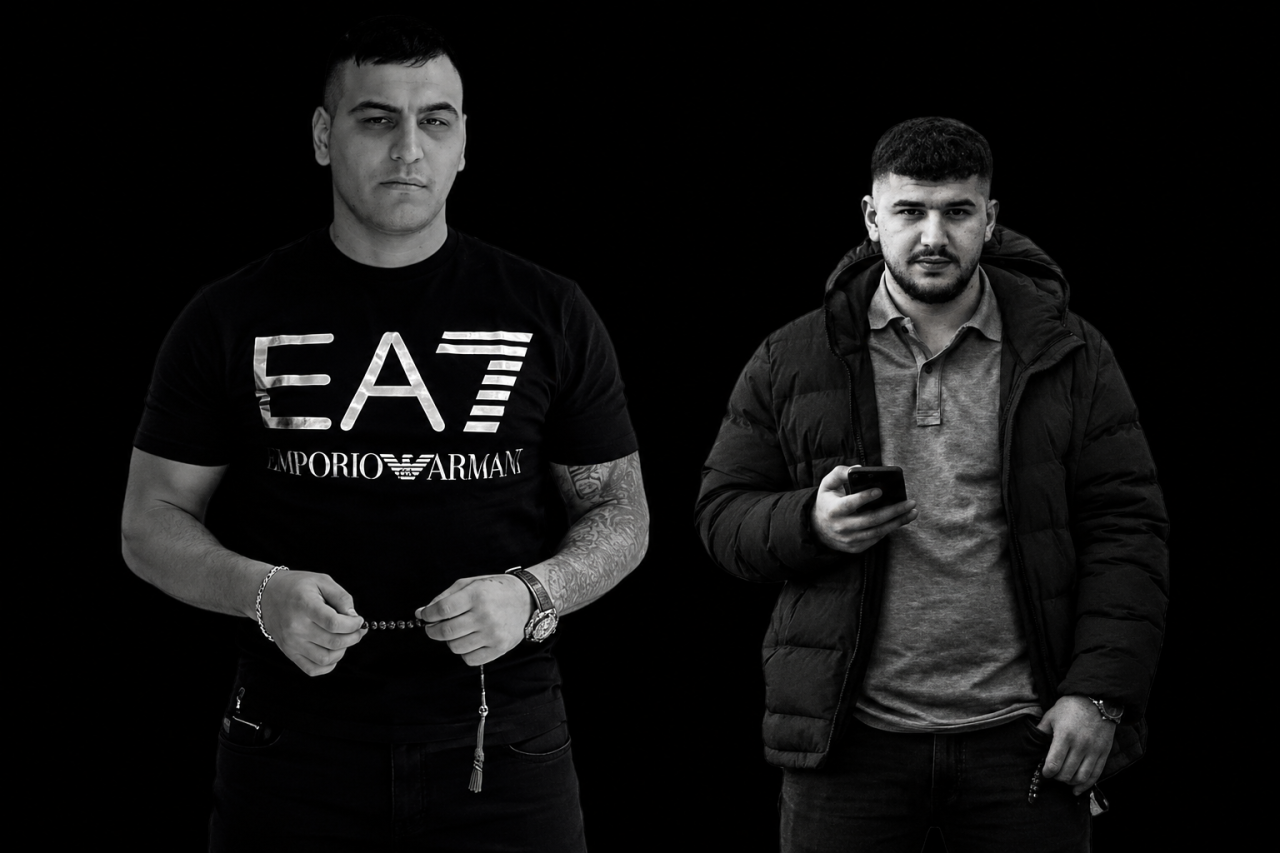
El incendio que tuvo lugar en una instalación terrestre de comunicaciones Starlink en Polonia ha dado inicio a una investigación sobre una posible conexión entre el crimen organizado turco y los servicios de inteligencia rusos. Este caso, que afecta a una infraestructura vinculada al tránsito de datos hacia Ucrania, ha centrado la atención en los Dalton, una organización criminal originaria de Turquía que podría haber actuado como intermediaria en una operación de sabotaje, la cual opera en España.
La hipótesis, que fue divulgada inicialmente por el semanario alemán Der Spiegel y posteriormente tratada por la cadena pública alemana ARD, sugiere la existencia de una posible red de intermediarios: los servicios secretos de Moscú habrían recurrido a miembros de la banda para llevar a cabo el ataque, que supuestamente fue ejecutado por individuos relacionados con su entorno.
Por el momento, se trata de una línea de investigación y no de una conclusión judicial. A pesar de que el grupo de los Dalton ha reivindicado el atentado en redes sociales, los indicios han llevado a las autoridades europeas a investigar posibles vínculos entre delincuentes y agentes estatales, aunque aún es necesario establecer quién ordenó el sabotaje, quién lo llevó a cabo y cuál fue el papel de cada uno de los implicados.

El incendio se registró el 23 de septiembre de 2026 en una instalación terrestre de Starlink ubicada en Wola Krobowska, cerca de Varsovia. El fuego causó daños en equipos eléctricos de una infraestructura que es gestionada, en parte, por la empresa estatal polaca Exatel, y perturbó los servicios de comunicación relacionados con el tránsito de datos hacia Ucrania.
La naturaleza del objetivo subraya la preocupación de las autoridades. Desde que se inició la invasión rusa a gran escala de Ucrania en febrero de 2022, las comunicaciones por satélite se han vuelto un recurso vital para mantener conexiones cuando las redes terrestres se ven dañadas o quedan fuera de servicio.
Un ataque contra este tipo de instalaciones puede tener repercusiones que trascienden los daños materiales. También puede poner en riesgo servicios estratégicos, incrementar la presión sobre los aliados de Kiev y poner a prueba la capacidad de Europa para proteger infraestructuras críticas.
Las autoridades polacas han calificado el incidente como un acto de sabotaje y han señalado a los servicios de inteligencia rusos como posibles responsables intelectuales. Tomasz Siemoniak, coordinador de los servicios de inteligencia de Polonia, manifestó públicamente su creencia de que Rusia estaba detrás de esta operación.
No obstante, atribuir un ataque a un Estado en el ámbito político o de inteligencia no equivale a demostrar su responsabilidad en un juicio. Para establecerla, será necesario reunir pruebas que permitan reconstruir la cadena de decisiones y determinar si existieron órdenes provenientes de Moscú.
La investigación adquirió un carácter internacional el 12 de octubre, cuando las autoridades alemanas arrestaron en Nürtingen, en Baden-Württemberg, a dos ciudadanos turcos solicitados por Polonia. Los hombres, identificados en informes periodísticos como Ümit E., de 38 años, y Müslüm T., de 34, fueron detenidos en virtud de órdenes europeas de arresto relacionadas con el incendio. Polonia tiene la intención de juzgarlos por su supuesta participación en el sabotaje.
De acuerdo con ARD y su programa de investigación 'Kontraste', ambos podrían tener vínculos con los Dalton. Der Spiegel, citando fuentes de diversos países, también indicó que los sospechosos podrían haber actuado como parte de la organización o bajo instrucciones de personas vinculadas a ella.
Esto se hace más evidente a raíz de las publicaciones en las que interactúan con noticias sobre el sabotaje. Durante las investigaciones, también se examinó la posible participación de un tercer individuo que fue detenido en Berlín, aunque posteriormente fue liberado al no poder probarse su implicación en el ataque.
La hipótesis que analizan los investigadores sugiere que los responsables intelectuales no necesariamente son quienes iniciaron el fuego en la instalación. Una estructura de intermediarios permitiría encargar la operación a personas con capacidad para ejecutarla sobre el terreno, manteniendo distancia de aquellos que pudieron haberla organizado.
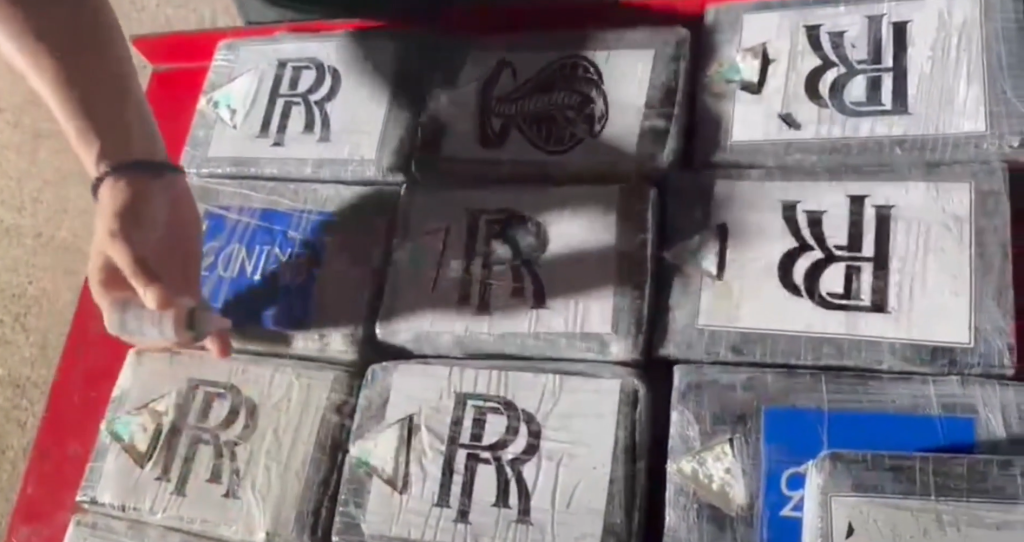
Los Dalton, conocidos en Turquía como Daltonlar, forman parte de una generación de organizaciones criminales que ha ganado notoriedad por sus episodios de violencia y su actividad transnacional. Tienen su origen en Estambul y se les vincula con delitos como la extorsión, el tráfico ilegal de armas, el narcotráfico y los asesinatos por encargo.
Estas bandas también han desarrollado una notable presencia en las redes sociales. La publicación de imágenes de armas, amenazas y mensajes intimidatorios contribuye a forjar una identidad asociada al poder, atraer nuevos miembros y proyectar una imagen de fuerza frente a sus rivales.
La expansión de organizaciones criminales turcas en diversos países europeos inquieta a las fuerzas de seguridad debido a su capacidad para operar a través de redes personales y aprovechar la movilidad internacional. Sin embargo, la estructura de estos grupos puede ser variable: existen facciones, alianzas locales y personas que utilizan el nombre de una banda sin mantener una relación directa con sus líderes.
Por esta razón, la eventual vinculación de los detenidos con los Dalton no implicaría automáticamente que el ataque fue ordenado por la cúpula de la organización, ni que todos sus integrantes participaron en una operación relacionada con Rusia. Para determinarlo, es necesario reconstruir la cadena de mando, identificar a los posibles intermediarios y verificar quién financió o dirigió la acción.
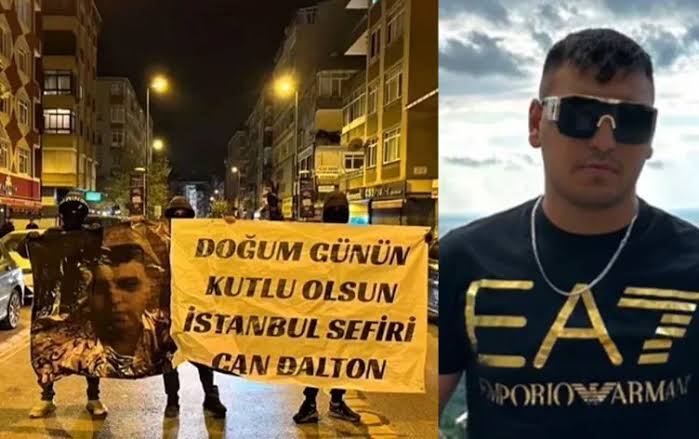
Una de las figuras clave en la información sobre los Dalton es Berat Can Gökdemir, conocido como Can Dalton y señalado por distintas publicaciones como uno de los principales líderes del grupo.
Según las investigaciones difundidas por la cadena pública alemana ARD en marzo de 2026, Gökdemir se encuentra en Rusia, donde permanece a pesar de la solicitud de extradición presentada por Turquía. Las autoridades turcas le imputan graves delitos, incluyendo asesinatos y ataques armados. Su permanencia en territorio ruso ha suscitado preguntas sobre su situación y los posibles intereses que podrían justificar su falta de entrega a la justicia turca. Sin embargo, la decisión de no extraditarlo no prueba en sí misma que exista una colaboración con los servicios secretos rusos.

Otro elemento relevante en la investigación son los vídeos mencionados por ARD, en los que supuestamente soldados al servicio de Rusia felicitaban a Gökdemir por su cumpleaños. Algunos miembros de la banda también habrían difundido mensajes en apoyo al presidente ruso, Vladímir Putin, o mostrado símbolos rusos en sus perfiles digitales.
Estos elementos han suscitado sospechas, pero no demuestran por sí solos una relación operativa con el Servicio Federal de Seguridad ruso (FSB) o con el Servicio de Inteligencia Exterior (SVR). La presencia de un líder criminal en Rusia, las manifestaciones políticas de algunos miembros de una banda y una posible colaboración clandestina son hechos que deben ser considerados de forma separada.
Para validar una operación dirigida por la inteligencia rusa, los investigadores requerirían pruebas más concretas, como comunicaciones que revelaran instrucciones, movimientos de dinero, reuniones documentadas o evidencias que conectaran a los sospechosos con la planificación del incendio de una infraestructura estratégica en Polonia.
El posible papel de los Dalton ilustra un fenómeno más amplio: la utilización de intermediarios criminales para llevar a cabo actividades que pueden beneficiar a un Estado sin la intervención directa de sus funcionarios o agentes oficiales.
Las organizaciones delictivas cuentan con redes de contactos, experiencia en operaciones clandestinas, acceso a armamento y la capacidad de reclutar individuos dispuestos a actuar a cambio de compensación monetaria. En ciertas circunstancias, estas características pueden convertirlas en herramientas para llevar a cabo amenazas, sabotajes, ataques dirigidos a objetivos específicos o actividades de vigilancia.
Este modelo no implica necesariamente que una organización delictiva se convierta en una estructura subordinada a un servicio de inteligencia. La relación puede manifestarse a través de encargos ocasionales, financiamiento, intercambio de información o colaboración mediante intermediarios. También puede haber una coincidencia de intereses sin que exista una relación de mando claramente establecida.
Las autoridades europeas han alertado sobre el hecho de que Rusia utiliza diversos intermediarios para llevar a cabo operaciones encubiertas, mientras que otros países han sido identificados por emplear redes criminales para perseguir a sus adversarios en el extranjero.
El desafío para los investigadores radica en discernir cuándo se está ante un delito común y cuándo se trata de una operación organizada o respaldada desde el exterior. En este contexto, el caso sueco del Clan Foxtrot se presenta como un ejemplo particularmente relevante de las relaciones atribuidas a un Estado extranjero con redes delictivas en Europa.
El Clan Foxtrot, una organización delictiva establecida en Suecia y relacionada con el narcotráfico y episodios de violencia armada, es liderada por Rawa Majid, conocido como el Zorro Kurdo. Su nombre ha alcanzado notoriedad internacional tras las afirmaciones de las autoridades suecas, estadounidenses y británicas sobre presuntos vínculos entre la organización y las actividades del régimen iraní en Europa.
En mayo de 2024, el Servicio de Seguridad sueco (Säpo) confirmó que Irán utilizaba redes criminales en Suecia como intermediarias para llevar a cabo actos violentos contra intereses israelíes y contra individuos o grupos considerados una amenaza para Teherán. Esta confirmación se produjo después de que la inteligencia israelí, el Mossad, identificara a las redes Foxtrot y Rumba como organizaciones reclutadas por Irán.
Las acusaciones tomaron mayor relevancia en marzo de 2025, cuando Estados Unidos impuso sanciones a Foxtrot y a Rawa Majid. El Departamento de Estado sostuvo que el régimen iraní había utilizado la red para realizar ataques contra objetivos judíos e israelíes en Europa, incluido un ataque contra la Embajada de Israel en Estocolmo en enero de 2024.
Washington también afirmó que Majid había colaborado con el Ministerio de Inteligencia y Seguridad de Irán. En abril de ese mismo año, el Reino Unido anunció sanciones contra la organización y su líder por su presunta implicación en actividades hostiles respaldadas por Teherán.
Las investigaciones periodísticas que se difundieron posteriormente por la televisión pública sueca SVT señalaron que Majid podría haber recibido protección en Irán a cambio de colaborar en operaciones contra intereses israelíes y judíos. En junio de 2025, fuentes citadas por la cadena informaron que la red estaba buscando individuos capaces de llevar a cabo nuevos ataques contra objetivos israelíes y estadounidenses en varios países europeos.
Estas informaciones refuerzan la preocupación por la posible utilización de delincuentes juveniles y redes criminales locales en operaciones de carácter geopolítico, aunque cada encargo debe ser acreditado de forma individual.
El caso Foxtrot ilustra cómo una organización dedicada a actividades delictivas puede desempeñar funciones que benefician a un Estado extranjero. Para los servicios de inteligencia, recurrir a intermediarios de este tipo puede complicar la atribución de una operación y disminuir la exposición directa de quienes presuntamente la ordenan. Para las bandas delictivas, los vínculos con actores estatales pueden ofrecer protección, recursos o nuevas oportunidades, aunque también pueden aumentar su riesgo de sanciones e investigaciones internacionales.
El caso de los Dalton se enmarca dentro de la preocupación europea por la llamada guerra híbrida, un conjunto de acciones que incluye sabotajes, ciberataques, campañas de desinformación y operaciones encubiertas destinadas a debilitar a un adversario sin necesariamente recurrir a un enfrentamiento militar directo.
Una de las hipótesis que manejan los organismos de seguridad occidentales es que los servicios estatales podrían recurrir a intermediarios para llevar a cabo acciones clandestinas. El uso de personas ajenas a las estructuras oficiales puede dificultar la identificación de quienes ordenan una operación y reducir la exposición directa de los responsables intelectuales.
En ese contexto, las redes criminales con contactos internacionales podrían ofrecer ventajas operativas. Sin embargo, la existencia de precedentes como el de Foxtrot no demuestra que los Dalton hayan sido utilizados en el caso polaco ni que ambas organizaciones mantengan vínculos entre sí.
La investigación deberá esclarecer quién provocó el incendio, qué papel desempeñaron los detenidos, si existió una relación efectiva con los Dalton y si hubo instrucciones o financiamiento provenientes de agentes rusos. También será necesario determinar si el objetivo fue seleccionado por razones criminales, económicas o estratégicas, o si se conjugaron varios intereses.
El caso de Wola Krobowska reúne una infraestructura estratégica, un posible sabotaje en territorio polaco y sospechosos cuya presunta conexión con los Dalton ha sido objeto de investigaciones periodísticas. Sin embargo, su principal incógnita permanece abierta: si detrás del incendio existió realmente una operación coordinada entre una organización criminal turca y los servicios secretos de Moscú.
La comparación con Foxtrot permite comprender por qué las autoridades europeas investigan estas posibles conexiones con especial atención. En Suecia, las autoridades han reconocido el uso de redes criminales por parte de Irán; en el caso polaco, la posible participación de los Dalton por encargo ruso debe examinarse con sus propias pruebas.
Hasta que surjan pruebas concluyentes y los tribunales determinen las responsabilidades, la supuesta alianza entre los Dalton y la inteligencia rusa debe permanecer en el ámbito de las hipótesis. La distinción entre los indicios, las acusaciones oficiales y los hechos probados será crucial para entender qué ocurrió realmente y hasta qué punto el crimen organizado puede convertirse en un instrumento de operaciones de inteligencia extranjera.