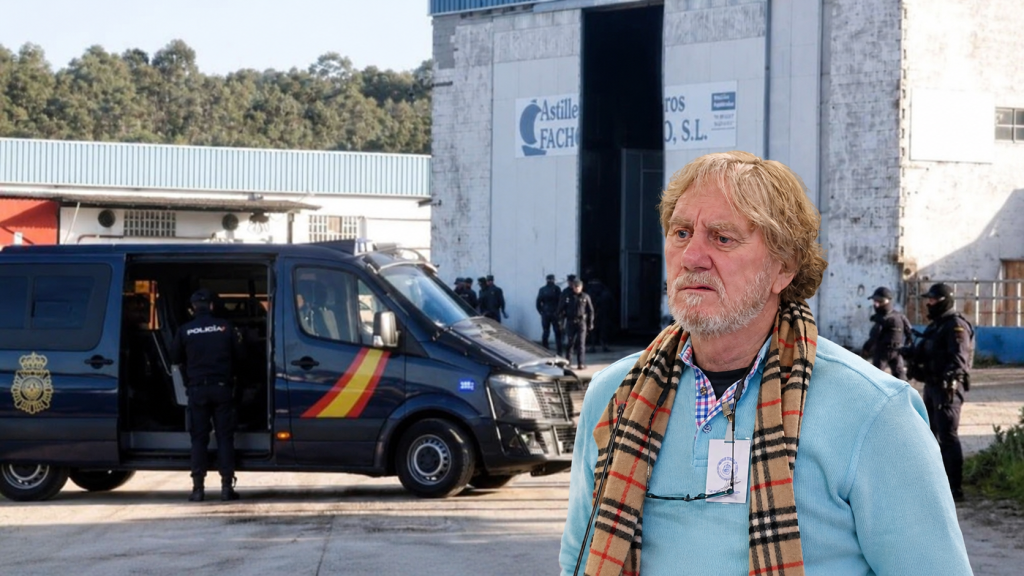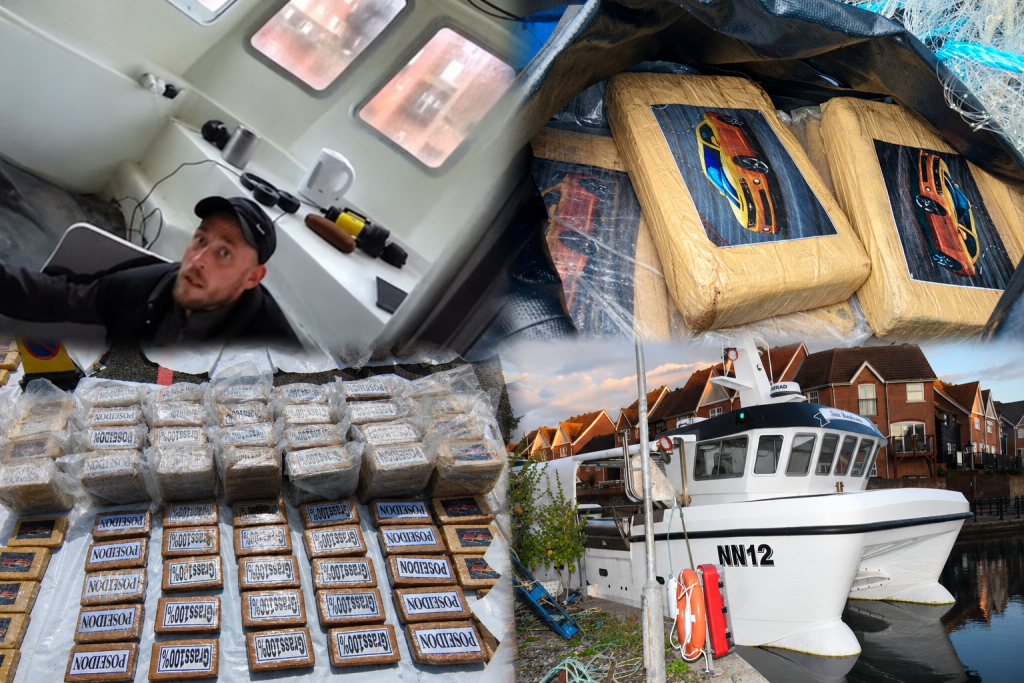
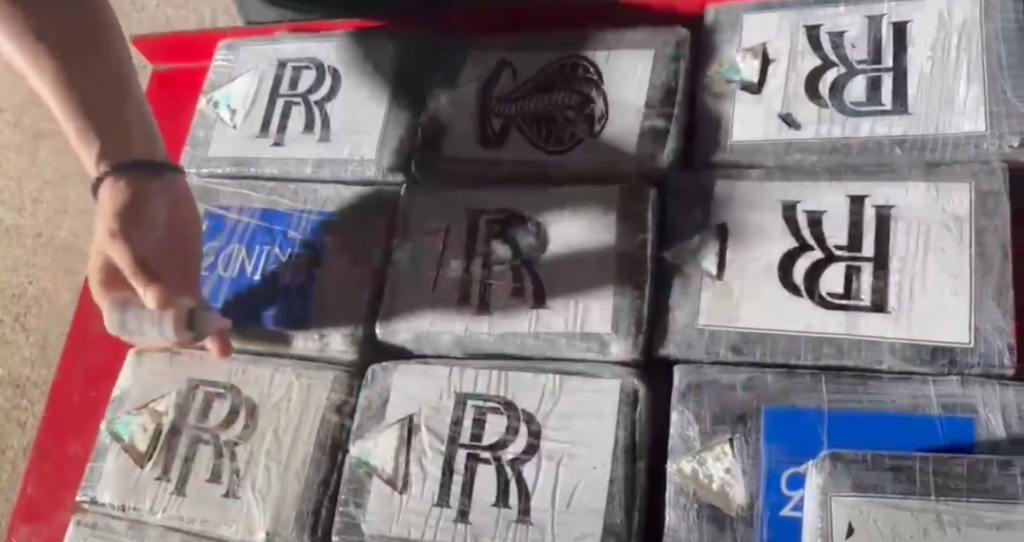
Cinco narcotraficantes fueron arrestados a inicios del verano de 2026 cuando, utilizando un barco pesquero, transportaban cerca de 500 kilogramos de cocaína hacia el puerto deportivo de Eastbourne, ubicado al sur de Inglaterra, en sucesos que fueron relatados en junio por fuentes judiciales. En un claro ejemplo de agilidad y eficacia en el ámbito judicial, estos individuos ya han sido condenados, tras una investigación llevada a cabo por la Agencia Nacional Contra el Crimen (NCA, por sus siglas en inglés).
El método de operación que ahora revela la NCA es casi idéntico al que se ha estado utilizando en Galicia durante varias décadas. Una organización criminal consigue hacerse con un pesquero, soborna al capitán y a parte de la tripulación, alquila una furgoneta y se dirige al mar, a aproximadamente 50 millas de la costa, para recoger un alijo de cocaína que ha sido dotado de dispositivos de localización y que otros delincuentes arrojan desde un barco de transporte regular. Posteriormente, regresan al puerto con la droga, esperando que su maniobra pase desapercibida. Sin embargo, en este caso, la suerte no les sonrió. Las fuerzas del orden estaban al tanto de sus actividades.
Los cabecillas de la operación eran Alan Colquhoun, de 49 años, y William Donohoe, de 38, quienes esperaban obtener 80.000 libras esterlinas cada uno (aproximadamente 100.000 euros) una vez que los criminales recuperaran la droga, cuyo valor en el mercado alcanzaba, como se ha mencionado, 34 millones de libras esterlinas, proveniente del Canal de la Mancha.
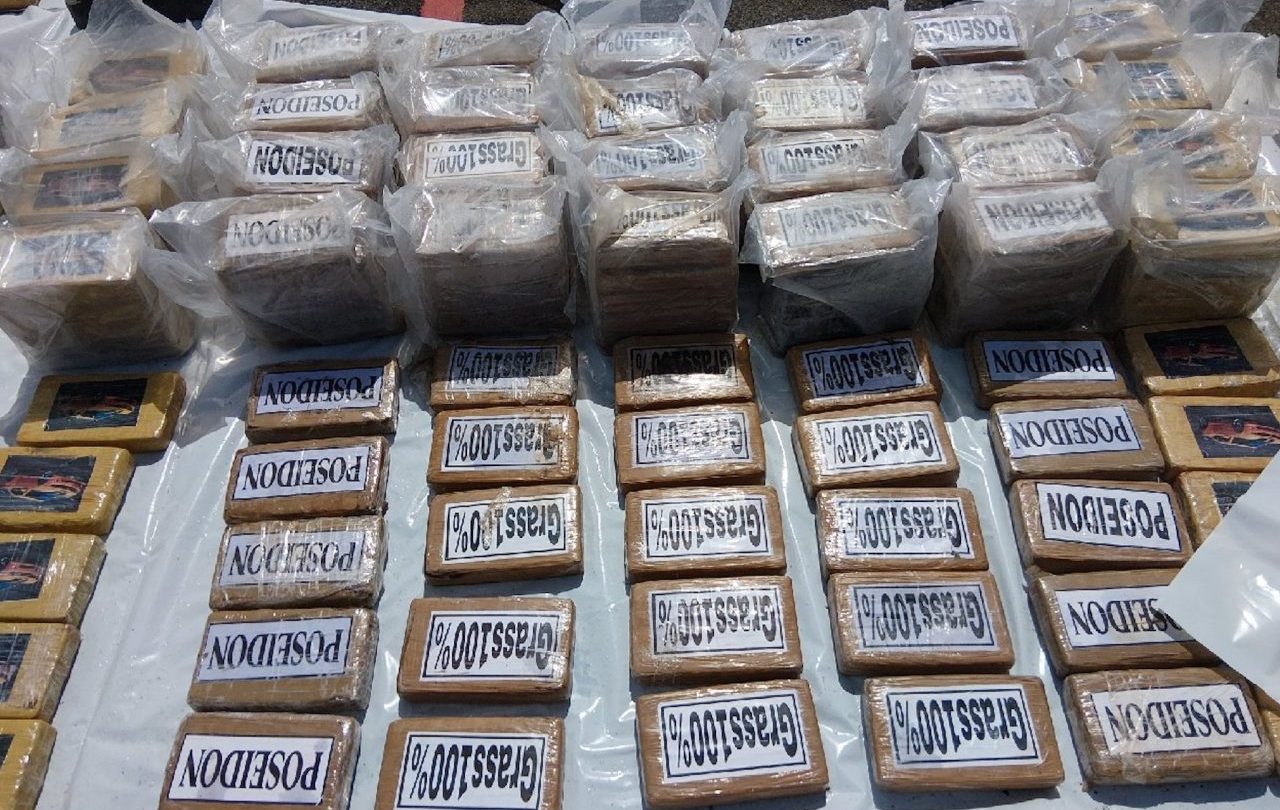
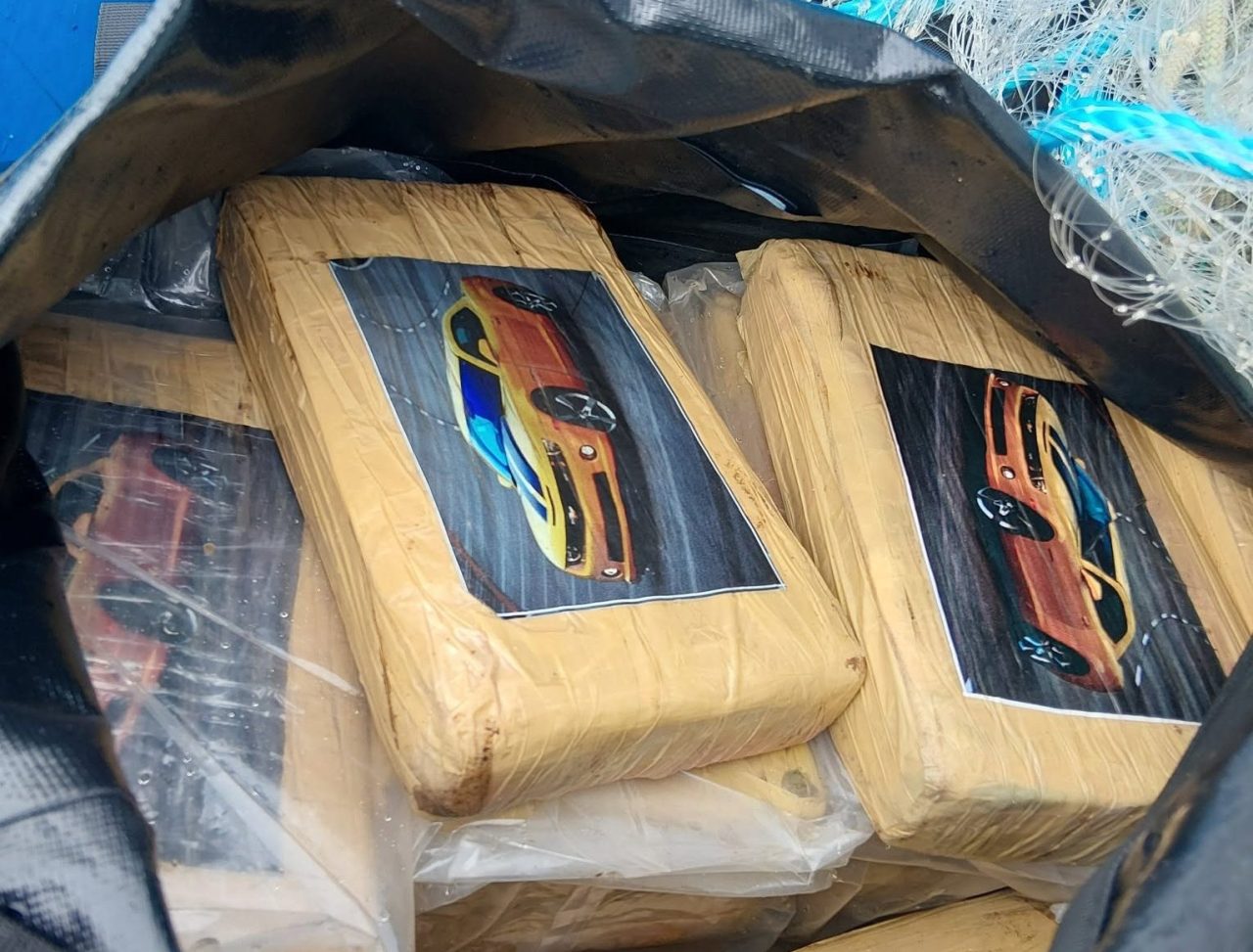
Las sustancias narcóticas habían sido empaquetadas en bolsas impermeables, equipadas con un dispositivo de rastreo por GPS, y fueron arrojadas al agua desde un barco de mayor tamaño, probablemente un mercante de ruta habitual, para que la tripulación de Colquhoun y Donohoe las recogiera, las llevara a tierra y las distribuyera a otros grupos delictivos en todo el país.
Colquhoun, originario de Oberon, Clackmannanshire, y Donohoe, residente en Sycamore Drive, lideraban la organización criminal. Ambos coordinaban las actividades de los demás implicados y mantenían comunicación con el grupo delictivo que traficaba con las drogas desde el extranjero.
El dúo llevó a cabo labores de reconocimiento a lo largo de la costa sur y planificó el lugar más adecuado para desembarcar la droga. Alquilaron una furgoneta en Escocia y proporcionaron información falsa indicando que la utilizarían para transportar mercancía de un pub, antes de conducirla hacia el sur para el traslado de la cocaína.
Además, reclutaron a Ian Smith, de 50 años, capitán y pescador del New Horizon, para que zarpara y encontrara la ‘pesca ilegal’.
Junto a Colquhoun, Smith, quien reside en la zona de Eastbourne y por lo tanto tenía conocimiento del área, se encontraba en el pesquero junto con Jacob Cronin, de 32 años, y Daniel Ruffell, de 36 años, de Humber Way. Ambos fueron incorporados para realizar el trabajo más arriesgado.
Donohoe, en cambio, permaneció en tierra mientras los demás estaban en el mar, y fue arrestado en una estación de servicio.
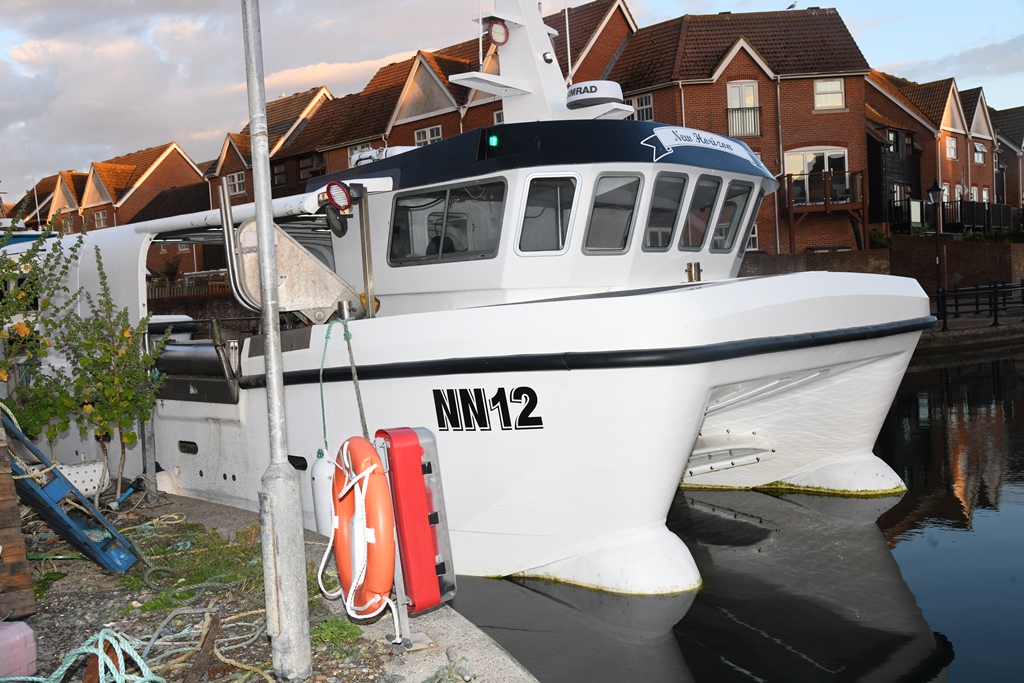
Ruffell, quien se escondió en un armario a bordo de la embarcación cuando agentes armados de la NCA realizaron el asalto, desempeñaba el papel de vigía del grupo. Tenía una deuda considerable con la organización armada responsable de la importación de las drogas y se unió a la tripulación con el fin de ayudar a saldarla.
Cronin, que, al igual que Smith, residía en Eastbourne, East Sussex, era pescador de profesión y colaboró en la preparación del New Horizon antes de que zarpara.
Con toda esta información confirmada, el viernes 23 de octubre, en el Tribunal de la Corona de Hove, Colquhoun y Donohoe fueron condenados a 16 años de prisión cada uno, una pena que se redujo de 24 años por haberse declarado culpables anticipadamente.
Smith recibió una condena de 12 años de prisión, que fue reducida de 18 a 12 años por su declaración de culpabilidad.
Ruffell, quien cuenta con un historial de 21 condenas por 43 delitos previos, fue sentenciado a ocho años, pena que se redujo de 12 por admitir su culpabilidad. Cronin, por su parte, fue condenado a seis años y ocho meses, pena que se redujo de 10 años por haberse declarado culpable anticipadamente.
Carl Barrass, oficial superior de investigación de la NCA, afirmó: “Colquhoun y Donohoe actuaban en nombre de un grupo delictivo con alcance internacional y eran hombres de logística esenciales que introducían grandes cantidades de drogas de Clase A en el Reino Unido. La investigación de la NCA no solo ha permitido detener a estos cinco individuos, que ahora no representan una amenaza para otros delincuentes, sino que también ha llevado a la incautación de casi media tonelada de cocaína, cuyas ganancias se pierden para la organización criminal”.