
◢ NARCOTRÁFICO ◣

El homicidio de un cirujano estético evidencia la debilidad del Estado en Marbella.

✎Redaccion
El homicidio de un cirujano estético evidencia la debilidad del Estado en Marbella.
Idioma

El homicidio de un cirujano estético evidencia la debilidad del Estado en Marbella.

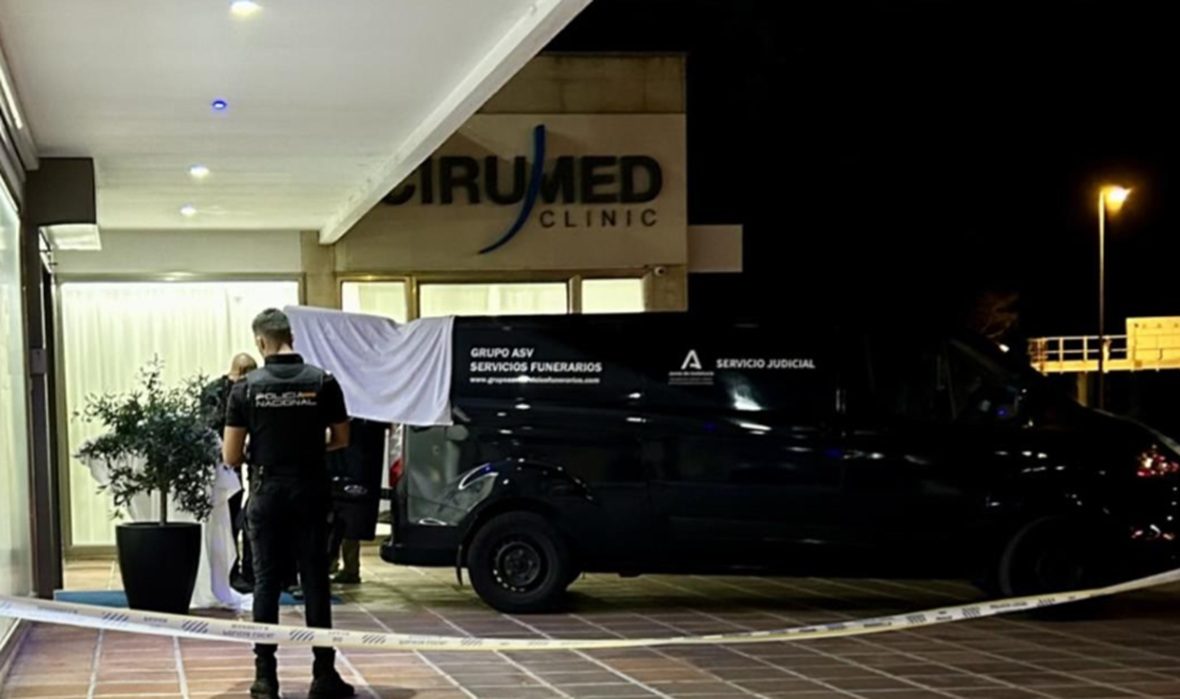
Esta semana hemos sido testigos de una nueva víctima inocente del crimen organizado en la Costa del Sol, poco tiempo después de la anterior. En esta ocasión, el trágico suceso tuvo lugar en Marbella, donde fue asesinado en su clínica de cirugía plástica el reconocido cirujano plástico Alexander Aslani. El autor del crimen actuó por encargo de una persona insatisfecha con el médico debido a una cuestión económica.

La teoría policial sugiere que una mujer proveniente del Golfo Pérsico realizó un adelanto para una intervención quirúrgica, dinero que deseaba recuperar tras no quedar satisfecha con el resultado. El cirujano le informó que no podía reembolsarle la cantidad, lo que provocó el desenlace fatídico.

La violencia que ha surgido en el ámbito del crimen organizado es tal que, por un simple asunto económico, algo que podría resolverse en los tribunales mediante una demanda ordinaria, se termina encargando un asesinato a un sicario de nacionalidad sueca que apenas cuenta con 18 años de edad.
Hace unos años, una situación así habría sido difícil de imaginar. En la actualidad, por solo unos miles de euros, hay jóvenes dispuestos a convertirse en niños soldados y criminales convencidos de que su moral ha desaparecido, hasta el punto de ser capaces de reclutar a menores o individuos en situaciones de vulnerabilidad para llevar a cabo delitos tan graves como un asesinato.

Alexander Aslani, la víctima del crimen, estaba atendiendo a sus pacientes la tarde del miércoles 7 de septiembre en su clínica Cirumed, de renombre internacional en el ámbito de la cirugía estética. Tras su asesinato, las redes sociales se llenaron de mensajes institucionales y particulares de profesionales del sector, junto con los de cientos de pacientes que en algún momento confiaron en el doctor. El impacto de su asesinato será profundo, pues la causa del mismo genera temor.

Asesinar a alguien por un desacuerdo económico solo puede formar parte de la mente de quien no otorga el más mínimo valor a la vida de su víctima ni a la suya propia. La persona que ordenó el homicidio podría estar de alguna forma relacionada con el entorno del crimen organizado internacional. Es necesario un contacto que actúe como intermediario para poder acceder a estos sicarios que, con apenas 18 años, pueden viajar a Málaga, obtener un arma y acabar con la vida de un cirujano en su propia clínica.

Lo realmente alarmante es que alguien esté dispuesto a pagar por la muerte de otra persona y, simultáneamente, haya jóvenes dispuestos a aceptar ese encargo por una suma irrisoria en comparación con el valor de una vida humana.

Por unos pocos miles de euros, un adolescente puede convertirse en el ejecutor de un asesinato irreversible. No se trata únicamente de la juventud del presunto autor material, sino de la facilidad con la que una compensación económica puede llegar a prevalecer sobre cualquier consideración moral.

El sicario no necesariamente conoce a su víctima, su historia y sus circunstancias, pero está dispuesto a aceptar la posibilidad de acabar con su vida a cambio de dinero. La deshumanización alcanza así uno de sus niveles más preocupantes: para quien acepta el encargo, matar deja de ser un acto impensable y se transforma en un trabajo remunerado.

Esta realidad plantea interrogantes sobre quiénes están detrás de la captación de estos jóvenes, quién establece el contacto entre quienes desean encargar un asesinato y quienes están dispuestos a ejecutarlo, y qué redes permiten que un adolescente pueda trasladarse de un país a otro para cometer un crimen.

Cuando existe una estructura de intermediarios, la investigación no puede limitarse a la detención del autor material. También es esencial identificar quién ordenó el homicidio, quién lo organizó y quién pudo facilitar que se llevara a cabo. Es precisamente esta cadena de responsabilidades la que puede revelar la verdadera magnitud de un crimen y, en su caso, las conexiones con el entorno del crimen organizado.

Dado que los ajustes de cuentas son tan frecuentes en la Costa del Sol, la Policía Nacional rápidamente indicó que el móvil del crimen estaba relacionado con cuestiones económicas, sin que ello implicara una conexión directa de la víctima con el crimen organizado, más allá de que pudiera haber atendido a clientes vinculados al narcotráfico.

Es relevante subrayar esto porque Aslani fue un mentor significativo para numerosos cirujanos que recibieron clases magistrales, cursos y charlas especializadas de su parte. El Colegio de Médicos de Málaga guardó un minuto de silencio en su memoria, junto con la asociación de profesionales de la cirugía estética y cientos de personas anónimas y cirujanos reconocidos que agradecieron la dedicación y pasión que Aslani demostró en su labor.

Las muestras de respeto y reconocimiento que han surgido tras su asesinato permiten entender la huella que dejó en su entorno profesional y personal. Los mensajes de sus colegas, las palabras de agradecimiento de sus pacientes y los homenajes institucionales reflejan el reconocimiento a una trayectoria comprometida con la cirugía y a la transmisión de conocimientos.

Aslani no era solo un médico de prestigio internacional, sino también un referente para otros profesionales que encontraron en sus cursos, clases magistrales y enseñanzas una oportunidad para continuar su formación. Su legado perdura en aquellos que aprendieron de él y en las personas que depositaron su confianza en sus manos.
Este contraste hace aún más complicado comprender las circunstancias de su muerte. Mientras cientos de personas destacan su dedicación, profesionalismo y contribución a la especialidad, alguien consideró que un desacuerdo económico justificaba recurrir a la violencia más extrema.

Frente al respeto que Aslani generó durante su vida, el crimen representa un desprecio absoluto por la vida ajena. Las muestras de cariño recibidas tras su asesinato no pueden reparar su pérdida, pero sí sirven para recordar que detrás de la víctima había una persona con una trayectoria, una familia, compañeros y pacientes cuya confianza había cultivado a lo largo de los años.

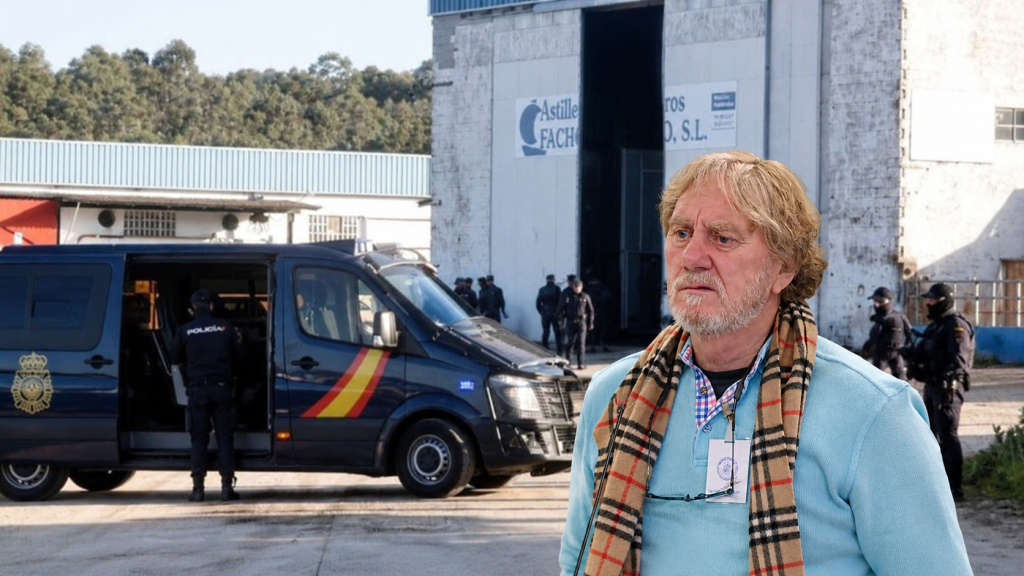
Por otro lado, en la Policía Nacional había desconcierto ante el asesinato de Aslani, que casi coincidía en el tiempo con el de Nacho en una plaza de Málaga. La proximidad temporal entre ambos crímenes generó dudas en un contexto marcado por la preocupación ante la violencia asociada a las redes criminales que operan en la Costa del Sol.

Nacho fue asesinado por casualidad, mientras que Alexander fue un objetivo, ambos sin tener relación con el crimen organizado. Es crucial que la investigación permita esclarecer los hechos y determinar si existe alguna conexión entre ambos casos o si responden a motivaciones completamente diferentes, dado que los sicarios compartían muchas similitudes.

Lo preocupante es que la sucesión de episodios violentos corre el riesgo de normalizar una realidad que jamás debería ser considerada habitual. Los asesinatos por encargo, los ajustes de cuentas y la participación de jóvenes en delitos extremadamente graves aparecen de forma recurrente en los medios de comunicación.

Cada nuevo crimen provoca indignación, ocupa titulares durante unos días y, poco después, es sustituido por el siguiente. De esta manera, existe el peligro de que la sociedad termine asumiendo la violencia como una característica inevitable de la Costa del Sol, cuando debería seguir siendo un motivo de alarma y de exigencia de responsabilidades.

Que los ajustes de cuentas sean comunes no implica que deban aceptarse como una consecuencia natural de residir en esta zona. Mucho menos cuando las víctimas pueden ser personas ajenas a las organizaciones criminales, profesionales que desarrollan su actividad con normalidad y ciudadanos cuyos conflictos económicos pueden resolverse por vías legales.

La normalización de la violencia es especialmente peligrosa porque disminuye progresivamente el umbral de lo que se considera tolerable. Cuando deja de sorprendernos que alguien pague por matar o que un adolescente acepte hacerlo por unos miles de euros, el problema se vuelve aún más grave.

El asesinato de un cirujano plástico evidencia la vulnerabilidad del Estado en Marbella. Este fenómeno trasciende a aquellos que están directamente implicados en el crimen; también impacta en la percepción colectiva acerca de la seguridad y del valor de la vida humana.

El homicidio de Alexander Aslani debe servir como un recordatorio de que España no puede aceptar esta situación como inevitable. Es fundamental perseguir tanto a quienes cometen los crímenes como a aquellos que los instigan, identificar las redes de intermediación y prevenir que los jóvenes sean reclutados para convertirse en instrumentos de la violencia. La respuesta de las fuerzas policiales y del sistema judicial debe abarcar a todos los implicados y esclarecer hasta el más mínimo detalle de lo sucedido.

The homicide of a cosmetic surgeon highlights the weakness of the State in Marbella.

This week we witnessed another innocent victim of organized crime on the Costa del Sol, shortly after the previous one. On this occasion, the tragic event took place in Marbella, where the renowned plastic surgeon Alexander Aslani was murdered in his plastic surgery clinic. The perpetrator acted on behalf of a person dissatisfied with the doctor due to a financial issue.

Police theory suggests that a woman from the Persian Gulf made an advance payment for a surgical procedure, money she wanted to recover after being dissatisfied with the result. The surgeon informed her that he could not refund the amount, which led to the fatal outcome.

The violence that has emerged in the realm of organized crime is such that, over a simple financial matter—something that could be resolved in court through a regular lawsuit—an assassination is contracted to a hitman of Swedish nationality who is barely 18 years old.

A few years ago, such a situation would have been hard to imagine. Nowadays, for just a few thousand euros, there are young people willing to become child soldiers and criminals convinced that their morality has vanished, to the point of being able to recruit minors or individuals in vulnerable situations to commit serious crimes such as murder.

Alexander Aslani, the victim of the crime, was attending to his patients on the afternoon of Wednesday, September 7, at his internationally renowned Cirumed clinic in the field of aesthetic surgery. After his murder, social media was flooded with institutional and personal messages from professionals in the sector, along with those from hundreds of patients who had at some point trusted the doctor. The impact of his murder will be profound, as the cause of it generates fear.

Murdering someone over a financial disagreement can only be part of the mindset of someone who places no value on the life of their victim or their own. The person who ordered the homicide could be somehow related to the environment of international organized crime. A contact is necessary to act as an intermediary to access these hitmen who, at just 18 years old, can travel to Málaga, obtain a weapon, and end the life of a surgeon in his own clinic.

What is truly alarming is that someone is willing to pay for another person's death and, simultaneously, there are young people willing to accept that assignment for a ridiculous sum compared to the value of a human life.

For just a few thousand euros, a teenager can become the executor of an irreversible murder. It is not only about the youth of the alleged material author but also about how easily a financial compensation can prevail over any moral consideration.

The hitman does not necessarily know their victim, their history, and their circumstances, but is willing to accept the possibility of ending their life in exchange for money. Dehumanization thus reaches one of its most concerning levels: for the one who accepts the assignment, killing ceases to be an unthinkable act and transforms into a paid job.

This reality raises questions about who is behind the recruitment of these young people, who establishes the contact between those wishing to contract a murder and those willing to execute it, and what networks allow a teenager to move from one country to another to commit a crime.

When there is a structure of intermediaries, the investigation cannot be limited to the arrest of the material author. It is also essential to identify who ordered the homicide, who organized it, and who facilitated its execution. It is precisely this chain of responsibilities that can reveal the true magnitude of a crime and, if applicable, the connections with the environment of organized crime.

Given that settling scores are so frequent on the Costa del Sol, the National Police quickly indicated that the motive for the crime was related to financial issues, without implying a direct connection of the victim to organized crime, beyond the possibility that he may have treated clients linked to drug trafficking.

It is relevant to emphasize this because Aslani was a significant mentor to numerous surgeons who received master classes, courses, and specialized talks from him. The Málaga Medical College held a minute of silence in his memory, along with the association of professionals in aesthetic surgery and hundreds of anonymous individuals and recognized surgeons who expressed gratitude for the dedication and passion that Aslani demonstrated in his work.

The expressions of respect and recognition that have emerged following his assassination allow us to understand the mark he left on his professional and personal environment. The messages from his colleagues, the words of gratitude from his patients, and the institutional tributes reflect the acknowledgment of a career committed to surgery and the transmission of knowledge.

Aslani was not only a physician of international prestige but also a reference for other professionals who found in his courses, master classes, and teachings an opportunity to continue their training. His legacy endures in those who learned from him and in the people who placed their trust in his hands.

This contrast makes it even more complicated to understand the circumstances of his death. While hundreds of people highlight his dedication, professionalism, and contribution to the specialty, someone considered that a financial disagreement justified resorting to the most extreme violence.

In light of the respect Aslani generated during his life, the crime represents an absolute disregard for the lives of others. The expressions of affection received after his assassination cannot repair his loss, but they do serve to remind us that behind the victim was a person with a history, a family, colleagues, and patients whose trust he had cultivated over the years.

On the other hand, the National Police were bewildered by Aslani's murder, which almost coincided in time with that of Nacho in a square in Málaga. The temporal proximity between both crimes raised doubts in a context marked by concern over violence associated with criminal networks operating on the Costa del Sol.

Nacho was killed by chance, while Alexander was a target, both having no connection to organized crime. It is crucial that the investigation clarifies the facts and determines whether there is any connection between the two cases or if they respond to completely different motivations, given that the hitmen shared many similarities.

What is concerning is that the succession of violent episodes risks normalizing a reality that should never be considered habitual. Contract killings, settling of scores, and the involvement of young people in extremely serious crimes appear recurrently in the media.

Each new crime provokes outrage, occupies headlines for a few days, and shortly thereafter is replaced by the next one. In this way, there is a danger that society will end up accepting violence as an inevitable characteristic of the Costa del Sol when it should remain a cause for alarm and demand accountability.

That settling of scores is common does not imply that it should be accepted as a natural consequence of residing in this area. Much less when the victims can be individuals unrelated to criminal organizations, professionals who carry out their activities normally, and citizens whose economic conflicts can be resolved through legal means.

The normalization of violence is particularly dangerous because it progressively lowers the threshold of what is considered tolerable. When it no longer surprises us that someone pays to kill or that a teenager accepts to do so for a few thousand euros, the problem becomes even more serious.

The murder of a plastic surgeon highlights the vulnerability of the State in Marbella. This phenomenon transcends those who are directly involved in the crime; it also impacts the collective perception of security and the value of human life.

The homicide of Alexander Aslani should serve as a reminder that Spain cannot accept this situation as inevitable. It is essential to pursue both those who commit the crimes and those who instigate them, to identify the networks of mediation, and to prevent young people from being recruited to become instruments of violence. The response from law enforcement and the judicial system must encompass all those involved and clarify even the smallest detail of what happened.

El homicidio de un cirujano estético evidencia la debilidad del Estado en Marbella. | NarcoObservatorio