
◢ NARCOTRÁFICO ◣

La policía descubre el origen de la red del inspector jefe corrupto.

✎Redaccion
La policía descubre el origen de la red del inspector jefe corrupto.
Idioma

La policía descubre el origen de la red del inspector jefe corrupto.

Thanos es el apodo utilizado en Dubái. Se le atribuye el liderazgo de una amplia red criminal internacional que unía a Ecuador, donde recientemente se llevó a cabo la última fase de la investigación, con España. Este es el caso del inspector jefe corrupto, quien ocultaba 20 millones de euros en efectivo en su residencia de Madrid. Este individuo supuestamente facilitaba la entrada de decenas de miles de kilogramos de cocaína en contenedores hacia la Península Ibérica hasta que fue descubierto por la Brigada Central de Estupefacientes de la Policía Nacional.

Ahora, varios meses después de su arresto y de la desarticulación de la mayor parte de la organización en España, y con alias El Tigre, otro de los presuntos líderes, en búsqueda y captura, la Policía Nacional, mediante la Udyco Central, junto a la Policía de Ecuador, han conseguido rastrear el origen de la droga que llegaba gracias al sistema controlado por el funcionario corrupto. Esto se ha logrado a través de un extenso operativo conocido en España como operación Machala y en Ecuador como operación Gran Fénix-Cantabria, desarrollado en la madrugada del pasado viernes.

La operación contra una de las estructuras de narcotráfico transnacional más significativas detectadas en los últimos años arroja una cifra impactante: al menos 1.765 millones de dólares en cocaína confiscada y una organización que, desde Ecuador, habría establecido durante años un puente directo hacia los principales mercados europeos.
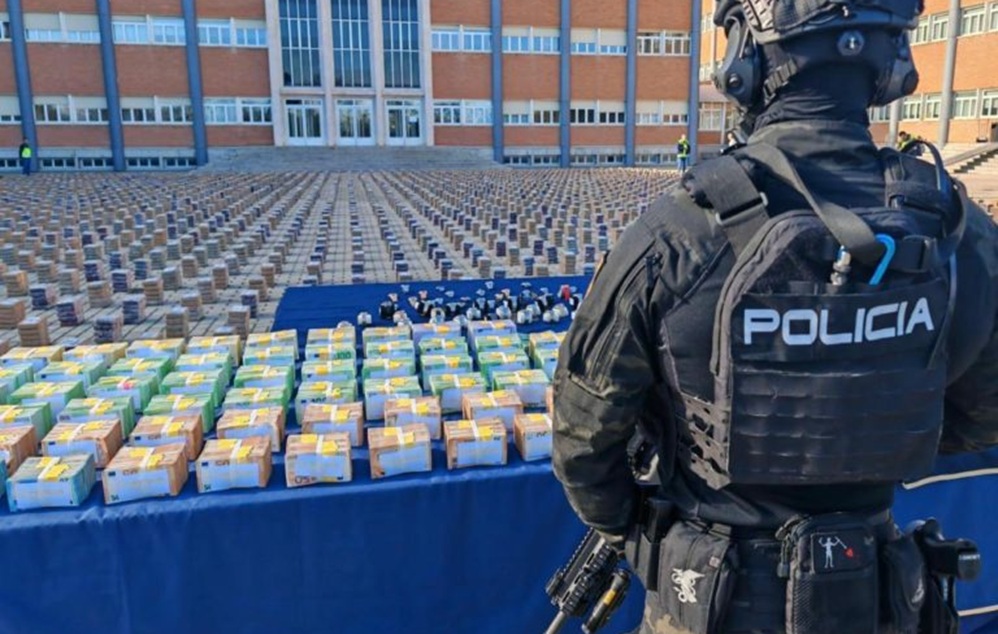
Las Policías Nacional de Ecuador y de España han realizado la redada, un macrodispositivo que culmina con un total de 21 detenidos y 23 registros simultáneos.

La investigación comenzó en octubre de 2024, cuando las autoridades españolas hallaron en el puerto de Algeciras 13.000 paquetes de cocaína ocultos en un contenedor que provenía de una terminal portuaria de Guayaquil. Este fue (y continúa siendo) el mayor alijo de esta sustancia jamás incautada en territorio, tanto en España como en Europa.

Esa aprehensión abrió la puerta a una investigación internacional que ha permitido establecer vínculos con 14 grandes incautaciones y alrededor de 42,5 toneladas de cocaína confiscadas en Ecuador, España, Bélgica, Portugal y Países Bajos.
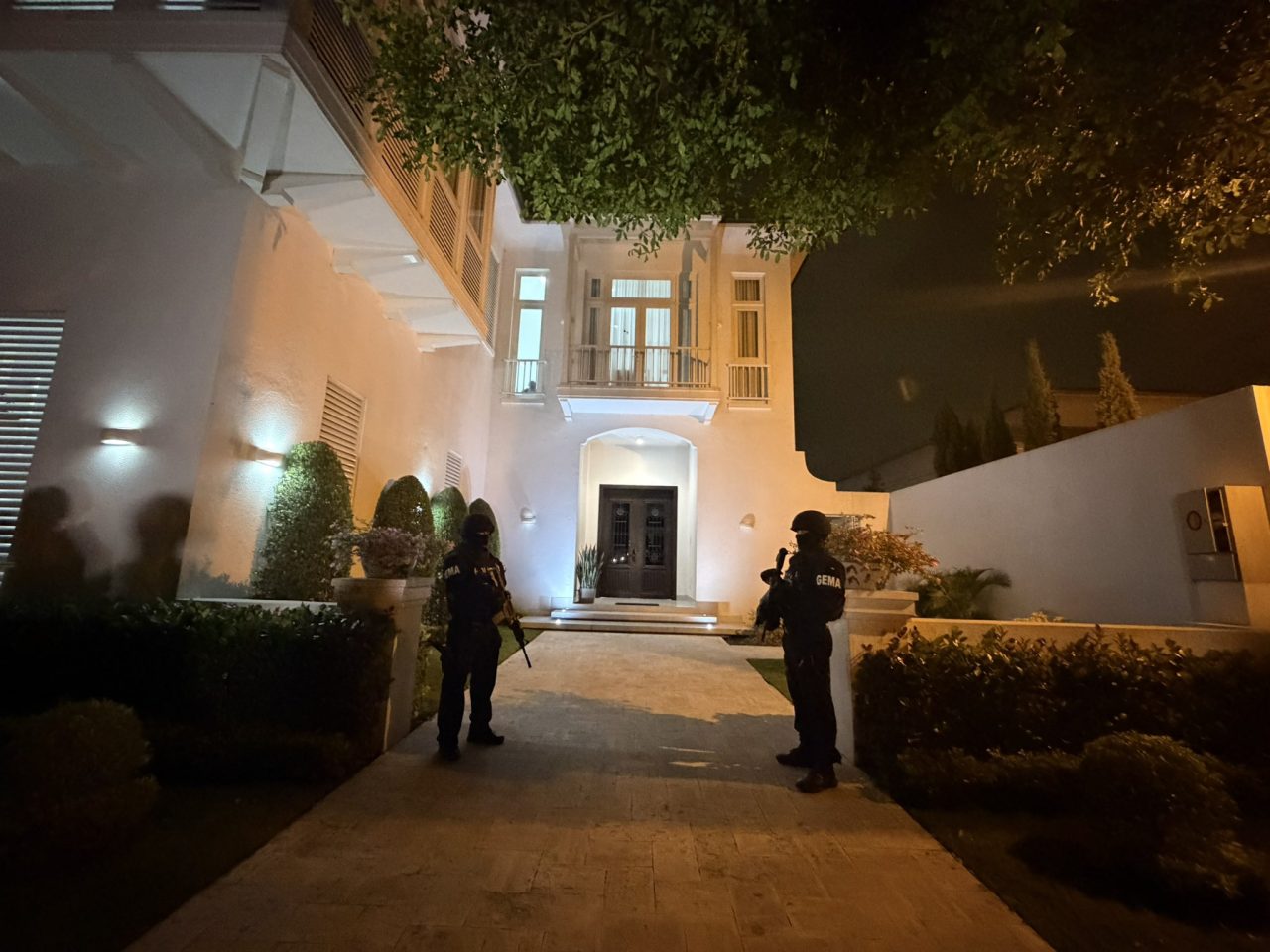
El golpe realizado en la actualidad aumenta aún más la magnitud del expediente. En el operativo de esta noche se han confiscado 630 kilos de cocaína, así como otro alijo de aproximadamente 1,5 toneladas, con un valor total estimado en 85 millones de dólares. Sumando todas las incautaciones vinculadas a la investigación, las autoridades calculan que el valor de la droga retirada de las calles asciende a 1.765 millones de dólares.

Detrás de los contenedores y de las toneladas de cocaína existía, según los investigadores, un auténtico entramado empresarial diseñado para la exportación de droga a gran escala. Se sostiene que la organización ha estado operando desde 2019 y tendría capacidad de actuación en las provincias ecuatorianas de Guayas, Los Ríos y Pichincha, además de conexiones con ciudadanos establecidos en Europa y en los Emiratos Árabes Unidos. Al menos 15 empresas que oficialmente se dedican a la exportación de fruta, cacao, mariscos y madera habrían supuestamente servido de cobertura para ocultar cargamentos de estupefacientes entre mercancías legales.

La investigación también apunta a conexiones con estructuras asociadas a la mafia balcánica y la Mocro Mafia, organizaciones con las que, de acuerdo con las pesquisas, se habrían coordinado para la adquisición de cocaína en laboratorios de Colombia, su traslado a Ecuador y su posterior embarque por vía marítima hacia Europa.

En el destino, miembros de estas redes habrían asumido funciones de recepción, distribución y logística, utilizando sociedades aparentemente legales para facilitar operaciones comerciales y mover la droga dentro del continente.

Entre los arrestados se encuentra Jackson Felipe Zambrano, identificado por los investigadores como uno de los principales financiadores de alias Pipo (líder de Los Lobos, detenido en España) desde 2022.

La magnitud del golpe también se refleja en el despliegue: 130 policías han tomado parte en una operación que ha finalizado con la detención de 19 ciudadanos ecuatorianos y dos agentes de policía en activo que, al igual que sucedía en España con el caso del inspector Óscar Sánchez, estarían al servicio de los narcotraficantes.

En los registros se han confiscado teléfonos móviles, dispositivos de almacenamiento informático y una considerable cantidad de documentación empresarial y financiera que deberá ser analizada para reconstruir de manera completa la maquinaria económica y logística de una red que habría transformado a Ecuador en una plataforma privilegiada para inundar Europa de cocaína.

El rastro de la investigación conduce hasta los Emiratos Árabes Unidos. Los investigadores identifican a un individuo que opera bajo el alias de Thanos como el presunto líder de la estructura criminal que se investiga, un hombre que habría establecido su residencia en Emiratos desde 2023 y que, desde allí, habría mantenido conexiones con diversos actores del narcotráfico internacional.

Su nombre ha surgido del análisis de las comunicaciones interceptadas en Sky-Ecc, una de las principales fuentes de información que permitió reconstruir las relaciones y movimientos de la organización. A partir de esas comunicaciones, los investigadores han logrado identificar una red de contactos que apunta hacia las altas esferas del tráfico internacional de cocaína.
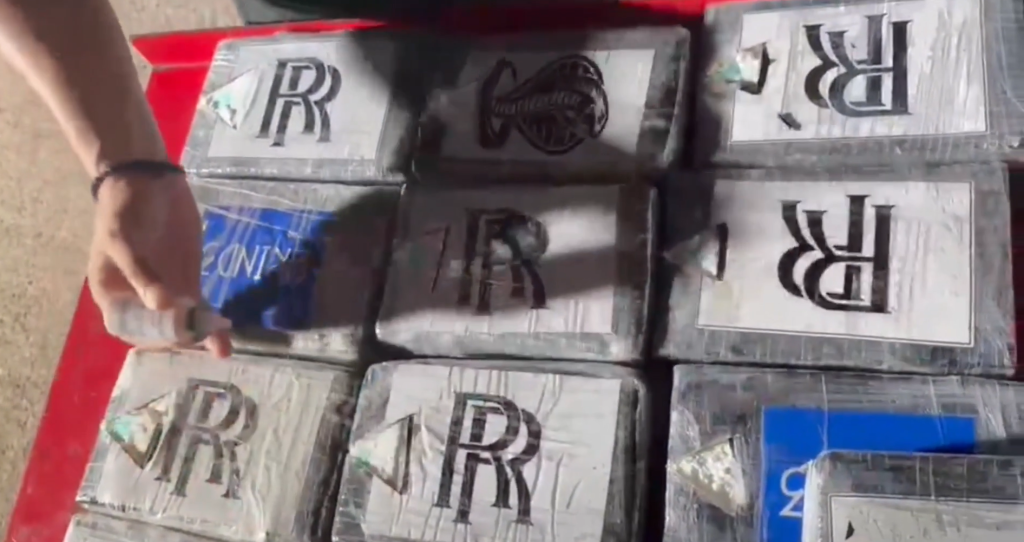
Dentro del marco de la investigación también se considera la hipótesis de que Thanos podría tener vínculos con miembros de la denominada Nueva Junta del Narcotráfico, un entramado criminal transnacional vinculado al tráfico internacional de cocaína y al blanqueo de capitales.

La mencionada Nueva Junta funcionaría como una alianza entre diferentes organizaciones criminales para garantizar el ciclo completo del negocio: desde la producción y el transporte de la droga hasta su distribución y comercialización en distintos mercados internacionales. Este entramado es flexible, careciendo de una única estructura jerárquica, lo que le permite conectar a proveedores, transportistas, intermediarios y distribuidores a ambos lados del Atlántico.

Y en ese mapa aparece Dubái. Los Emiratos Árabes Unidos, y en particular su ciudad principal, se ha convertido en uno de los puntos destacados por los investigadores como escenario de coordinación de operaciones, refugio para ciertos actores del crimen organizado y espacio desde el que se articulan negocios y movimientos financieros relacionados con el narcotráfico.
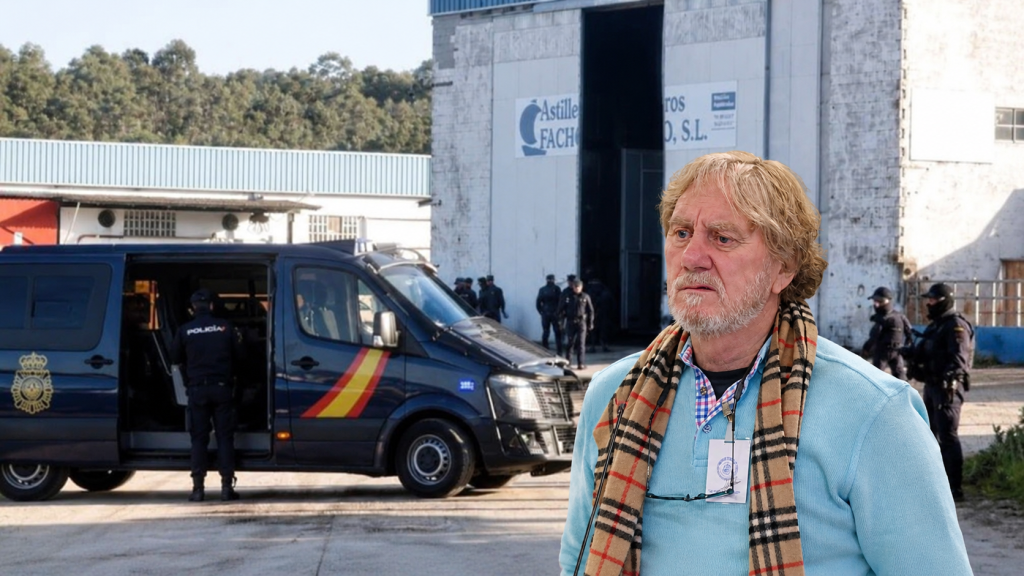
The police uncover the origin of the corrupt chief inspector's network.

Thanos is the nickname used in Dubai. He is attributed with leading a vast international criminal network that connected Ecuador, where the latest phase of the investigation recently took place, with Spain. This is the case of the corrupt chief inspector, who hid 20 million euros in cash at his residence in Madrid. This individual allegedly facilitated the entry of tens of thousands of kilograms of cocaine in containers into the Iberian Peninsula until he was discovered by the Central Drug Brigade of the National Police.

Now, several months after his arrest and the dismantling of most of the organization in Spain, and with the alias El Tigre, another of the alleged leaders, wanted by the authorities, the National Police, through the Udyco Central, along with the Police of Ecuador, have managed to trace the origin of the drugs that arrived thanks to the system controlled by the corrupt official. This has been achieved through an extensive operation known in Spain as operation Machala and in Ecuador as operation Gran Fénix-Cantabria, carried out in the early hours of last Friday.

The operation against one of the most significant transnational drug trafficking structures detected in recent years reveals an astonishing figure: at least 1.765 billion dollars in confiscated cocaine and an organization that, from Ecuador, had established a direct bridge to major European markets for years.

The National Police of Ecuador and Spain conducted the raid, a large-scale operation that culminated in a total of 21 arrests and 23 simultaneous searches.

The investigation began in October 2024, when Spanish authorities found 13,000 packages of cocaine hidden in a container that came from a port terminal in Guayaquil at the port of Algeciras. This was (and continues to be) the largest seizure of this substance ever confiscated on territory, both in Spain and in Europe.

That seizure opened the door to an international investigation that has allowed for the establishment of links with 14 major seizures and around 42.5 tons of cocaine confiscated in Ecuador, Spain, Belgium, Portugal, and the Netherlands.

The current operation further increases the magnitude of the case. In the operation last night, 630 kilograms of cocaine were confiscated, along with another stash of approximately 1.5 tons, with a total estimated value of 85 million dollars. Adding all the seizures linked to the investigation, authorities estimate that the value of the drugs removed from the streets amounts to 1.765 billion dollars.

Behind the containers and the tons of cocaine, there was, according to investigators, a genuine business framework designed for large-scale drug exportation. It is claimed that the organization has been operating since 2019 and would have the capacity to act in the Ecuadorian provinces of Guayas, Los Ríos, and Pichincha, in addition to connections with individuals established in Europe and the United Arab Emirates. At least 15 companies that officially engage in the export of fruit, cocoa, seafood, and wood have allegedly served as covers to hide drug shipments among legal goods.

The investigation also points to connections with structures associated with the Balkan mafia and the Mocro Mafia, organizations with which, according to the inquiries, they would have coordinated for the acquisition of cocaine in laboratories in Colombia, its transfer to Ecuador, and its subsequent maritime shipment to Europe.

At the destination, members of these networks would have taken on roles of reception, distribution, and logistics, using seemingly legal companies to facilitate commercial operations and move the drugs within the continent.

Among those arrested is Jackson Felipe Zambrano, identified by investigators as one of the main financiers of alias Pipo (leader of Los Lobos, arrested in Spain) since 2022.

The magnitude of the operation is also reflected in the deployment: 130 police officers participated in an operation that ended with the arrest of 19 Ecuadorian citizens and two active police officers who, like in Spain with the case of inspector Óscar Sánchez, would be serving the drug traffickers.

During the searches, mobile phones, computer storage devices, and a considerable amount of business and financial documentation were confiscated, which will need to be analyzed to fully reconstruct the economic and logistical machinery of a network that would have transformed Ecuador into a privileged platform for flooding Europe with cocaine.

The trail of the investigation leads to the United Arab Emirates. Investigators have identified an individual operating under the alias Thanos as the alleged leader of the criminal structure being investigated, a man who is believed to have established his residence in the Emirates since 2023 and who, from there, has maintained connections with various actors in international drug trafficking.

His name has emerged from the analysis of communications intercepted on Sky-Ecc, one of the main sources of information that allowed for the reconstruction of the relationships and movements of the organization. From these communications, investigators have managed to identify a network of contacts pointing towards the upper echelons of international cocaine trafficking.

Within the framework of the investigation, the hypothesis is also considered that Thanos may have links to members of the so-called New Drug Trafficking Board, a transnational criminal network linked to international cocaine trafficking and money laundering.

The aforementioned New Board would function as an alliance between different criminal organizations to ensure the complete cycle of the business: from the production and transportation of drugs to their distribution and marketing in various international markets. This network is flexible, lacking a single hierarchical structure, which allows it to connect suppliers, transporters, intermediaries, and distributors on both sides of the Atlantic.

And in that map, Dubai appears. The United Arab Emirates, and particularly its main city, has become one of the key points highlighted by investigators as a coordination hub for operations, a refuge for certain actors of organized crime, and a space from which businesses and financial movements related to drug trafficking are articulated.

La policía descubre el origen de la red del inspector jefe corrupto. | NarcoObservatorio